Skip to content

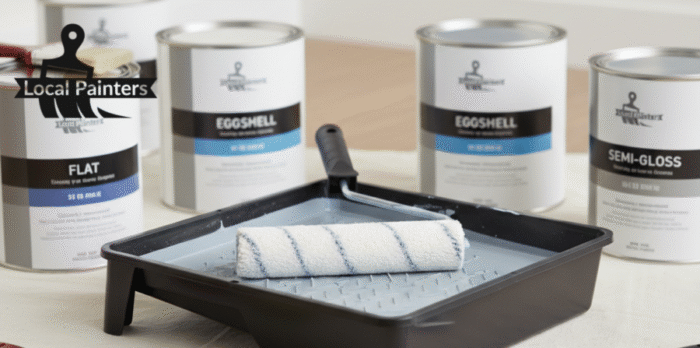
Water-based latex paint remains the standard choice for most interior residential projects. This paint type dries quickly, emits fewer odors than oil-based alternatives, and cleans up easily with soap and water. For surfaces requiring extra durability or moisture resistance, such as kitchen cabinets or bathroom walls, high-quality acrylic or hybrid alkyd paints provide a harder finish that withstands frequent scrubbing and humidity.
Selecting the right product involves matching the specific resin type and sheen to the function of each room. While flat finishes hide wall imperfections in low-traffic areas like bedrooms, semi-gloss or gloss finishes are necessary for trim and doors to prevent scuffs. This guide provides a detailed look at how different paint formulations perform in various environments to help property owners make informed decisions. Practical experience from Local Painters suggests that the longevity of a paint job depends as much on the chemical composition of the product as it does on the application technique.
Common Interior Paint Categories
Most interior projects utilize one of three primary paint types. Each has a specific chemical makeup that dictates how it adheres to surfaces and how it wears over time.
Latex Paint
Latex paint is the most common option for walls and ceilings. Despite the name, it contains no actual rubber latex; instead, it uses synthetic polymers like vinyl or acrylic as a binder. According to a report from Grand View Research, water-based technology continues to dominate the architectural market because it is environmentally friendly and easy to use. These paints are breathable, allowing moisture to escape the walls, which prevents blistering and peeling.
Acrylic Paint
Acrylic paint contains a higher concentration of acrylic resins compared to standard latex. This makes the paint more flexible and resistant to temperature changes. It is often the preferred choice for areas that experience significant wear. Acrylics adhere well to various surfaces, including wood and primed metal, making them versatile for diverse interior needs.
Alkyd and Hybrid Paints
Traditional oil-based paints, known as alkyds, have largely been replaced by hybrids due to environmental regulations regarding Volatile Organic Compounds (VOCs). Data provided by the Environmental Protection Agency (EPA) explains that low-VOC options are better for indoor air quality. Hybrid paints combine the durability of an oil finish with the easy cleanup of water-based products. These are excellent for shelving, cabinets, and decorative molding.
Bonus Tip: When switching from an old oil-based paint to a new water-based one, always apply a transition primer first. This prevents the new layer from peeling off the slicker oil surface.
Understanding Paint Sheens and Finishes
The sheen refers to how much light reflects off the painted surface. Choosing the correct sheen is a balance between aesthetic preference and the need for durability.
Flat and Matte Finishes
Flat paint contains the highest concentration of pigment and the lowest amount of resin. This creates a non-reflective surface that hides bumps, patches, and uneven textures. Because it is porous, it is harder to clean and may show “burnishing” or shiny spots if scrubbed. It works best for adult bedrooms and dining room ceilings.
Eggshell and Satin Finishes
These are the most popular choices for living rooms and hallways. Eggshell offers a soft glow similar to its namesake, while satin has a slightly higher gloss. Both provide better washability than flat paint without being overly reflective.
Semi-Gloss and High-Gloss Finishes
High-gloss paints contain more resin, creating a hard, shiny coating. This surface is almost completely non-porous, making it ideal for resisting water and grease. These finishes are the standard for baseboards, window casings, and bathroom walls.
Sheen Application Guide
| Room Type | Recommended Sheen | Durability Level | Light Reflection |
|---|---|---|---|
| Ceilings | Flat | Low | Very Low |
| Bedrooms | Flat or Eggshell | Medium-Low | Low |
| Hallways | Satin | Medium-High | Medium |
| Kitchens | Satin or Semi-Gloss | High | Medium-High |
| Bathrooms | Semi-Gloss | Very High | High |
| Trim and Doors | Semi-Gloss or Gloss | Maximum | High |
Things to Consider Before Making a Decision
Before purchasing paint or hiring a crew, evaluate several factors to ensure the product matches the environment.
- Surface Condition: Older walls with many repairs look better with lower sheens, as high-gloss paint highlights every dip and scratch on a wall.
- Room Lighting: Darker rooms benefit from finishes with higher reflectivity, like satin, to bounce light around. Conversely, a very bright room with many windows might experience distracting glare from high-gloss walls.
- Traffic Levels: In homes with children or pets, choose a “scuff-resistant” matte or a washable satin. Standard flat paint will require frequent touch-ups in these areas.
- Existing Coatings: Testing the current paint is vital. Rub a small area with a cloth soaked in denatured alcohol. If the paint comes off, it is water-based. If it does not, it is oil-based and requires specific preparation.
Bonus Tip: Spend more on the “top-tier” line of a reputable brand. High-end paints have more solids by volume, meaning they cover better in fewer coats and last significantly longer than budget versions.
Essential Painting Preparation and Timelines
Property owners often ask about the necessity of primer or the differences between “paint and primer in one” products. According to guidance explaining why primer is essential before painting, a separate primer is still necessary when painting over raw drywall, stained surfaces, or when making a drastic color change. Primer provides a uniform surface that allows the topcoat to bond correctly.
Another common concern involves drying versus curing times. While a wall may feel dry to the touch in an hour, it can take up to thirty days for the paint to fully cure and reach its maximum hardness. Avoid scrubbing new paint during this initial month to prevent damage to the finish. Local painters follow these manufacturer timelines to ensure the longest possible lifespan for every project.
Addressing Specific Application Inquiries
How many coats of paint are actually necessary?
Two coats are the standard for a professional finish. While some paints claim “one-coat coverage,” this usually only applies when the new color is very similar to the old one. Two coats provide deeper color saturation and a more durable film.
Is it safe to stay in the house while painting?
Modern low-VOC and zero-VOC paints make it safe for most people to remain in the home. However, individuals with severe respiratory issues or sensitivities should wait until the paint is dry and the rooms are well-ventilated.
Why does paint sometimes look different on the wall than in the store?
Metamerism is a phenomenon where colors change based on the light source. Incandescent, LED, and natural sunlight all affect how the human eye perceives color. Always test a small sample on the actual wall before committing to a full gallon.
Can kitchen cabinets be painted with regular wall paint?
Regular wall paint is too soft for cabinets. Cabinets require specialized urethane-alkyd enamels that dry to a hard, furniture-like finish to resist hand oils and the impact of daily use.
Final Summary of Interior Paint Selection
Successful interior painting relies on selecting water-based acrylics for most walls and specialized enamels for trim. Matching the sheen to the room’s function ensures the surface remains both attractive and easy to maintain over time. High-traffic areas require higher gloss levels, while ceilings and formal rooms benefit from the light-absorbing qualities of flat finishes. Property owners should evaluate the existing surface types and lighting conditions before finalizing their choice. Local Painters utilizes these professional standards to deliver results that withstand daily wear. Always prioritize high-solids content and low-VOC formulations for the best balance of performance and safety.
Direct Professional Assistance
Choosing the right materials is the first step toward a successful home update. For those seeking expert guidance on color selection or technical applications, professional support is available to ensure the job is done correctly. Reach out to Local Painters via email at localpaintersaz@gmail.com or call 602-775-3019 to discuss specific project requirements. Professional expertise helps avoid common pitfalls like improper adhesion or mismatched sheens, resulting in a durable and clean finish for any interior space.
Sources
- Grand View Research – A detailed analysis of the global paint and coatings market trends and technology shifts.
- Environmental Protection Agency (EPA) – Official guidelines and information regarding VOCs and their impact on indoor environments.
- why primer is essential before painting -why primer is essential before painting and how proper surface preparation improves paint durability and finish quality.