Skip to content

Most homeowners pay between $2,000 and $7,000 for a professional house painting project. For a standard 2,000-square-foot home, the average cost typically falls between $3,000 and $6,000. These figures vary based on whether the project involves the interior, the exterior, or both. Large homes with multiple stories or intricate details can see prices exceed $10,000.
This guide provides a detailed look at the financial aspects of residential painting. Local Painters utilizes years of field experience to break down labor rates, material expenses, and the hidden factors that influence a final quote. This information helps property owners plan budgets and evaluate professional estimates with confidence.
House Painting Price Guide by Square Footage
The total square footage of a home is the most significant factor in determining the price. Contractors use the walkable square footage of the home as a baseline, but they also calculate the actual surface area of the walls. According to data from HomeGuide, the cost per square foot for interior painting generally ranges from $2 to $6, while exterior painting ranges from $1.50 to $4.
The following table outlines estimated price ranges based on common home sizes for both interior and exterior work.
| Home Size (Square Feet) | Interior Painting Range | Exterior Painting Range |
|---|---|---|
| 1,000 | $1,500 to $3,500 | $1,500 to $3,000 |
| 1,500 | $2,500 to $5,500 | $2,200 to $4,500 |
| 2,000 | $3,500 to $7,500 | $3,000 to $6,000 |
| 2,500 | $4,500 to $9,500 | $4,000 to $8,000 |
| 3,000 | $5,500 to $11,500 | $5,000 to $10,000 |
Interior House Painting Cost Factors
Interior projects often require more detailed work than exterior ones. Prices fluctuate based on the number of rooms, the height of the ceilings, and the condition of the drywall. Painting a single room can cost anywhere from $300 to $1,000, depending on the size and scope.
Trim work, baseboards, and crown molding add to the total. These elements require smaller brushes and more time. Professional painters usually charge separately for these items or include them as a line item in a comprehensive bid. According to Forbes Advisor, painting the trim alone can cost between $500 and $1,500 for a whole house.
Exterior House Painting Cost Drivers
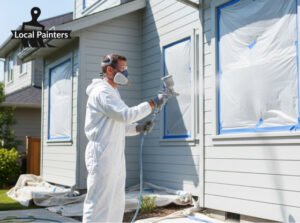
Exterior projects depend heavily on the type of siding and the height of the structure. Painting a brick home costs more than painting vinyl siding because brick is porous and requires more paint. Stucco also demands specific types of elastomeric paint to prevent cracking and moisture intrusion.
Height is another major expense. A two-story home requires ladders and scaffolding, which increases the labor time and safety risks. Homeowners should expect a 20 to 50 percent increase in labor costs for every additional story.
Bonus Tip: Local Painters suggests scheduling exterior work during the spring or fall. Extreme heat can cause paint to dry too quickly, leading to brush marks, while extreme cold prevents the paint from bonding to the surface.
Professional House Painters and Labor Rates
Labor usually accounts for 70 to 80 percent of a painting quote. Professional painters charge for their time, expertise, and the equipment they bring to the job. According to Angi, the average hourly rate for a professional painter is between $20 and $50, though this can be higher in urban areas with a higher cost of living.
A professional team works faster and produces a more durable finish than a DIY attempt. They understand how to handle different surfaces and which primers are necessary for specific materials. When reviewing a quote, check if it includes prep work, as this is the most time-intensive part of the process.
Material Expenses and Paint Quality
The price of paint itself varies significantly by brand and type. While labor represents the bulk of the cost, the choice of materials directly impacts the project’s longevity and final appearance. Contractor-grade paint may cost $20 per gallon, while premium paints with high solids content can cost $80 to $100 per gallon. While high-end paint is more expensive upfront, it often requires fewer coats and lasts longer, providing better long-term value.
One gallon of paint typically covers about 350 to 400 square feet. A standard 2,000-square-foot home may require 15 to 20 gallons of paint for the exterior. Primers, brushes, rollers, tape, and drop cloths add several hundred dollars to the total material bill.
Preparatory Work and Repairs
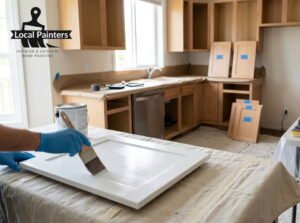
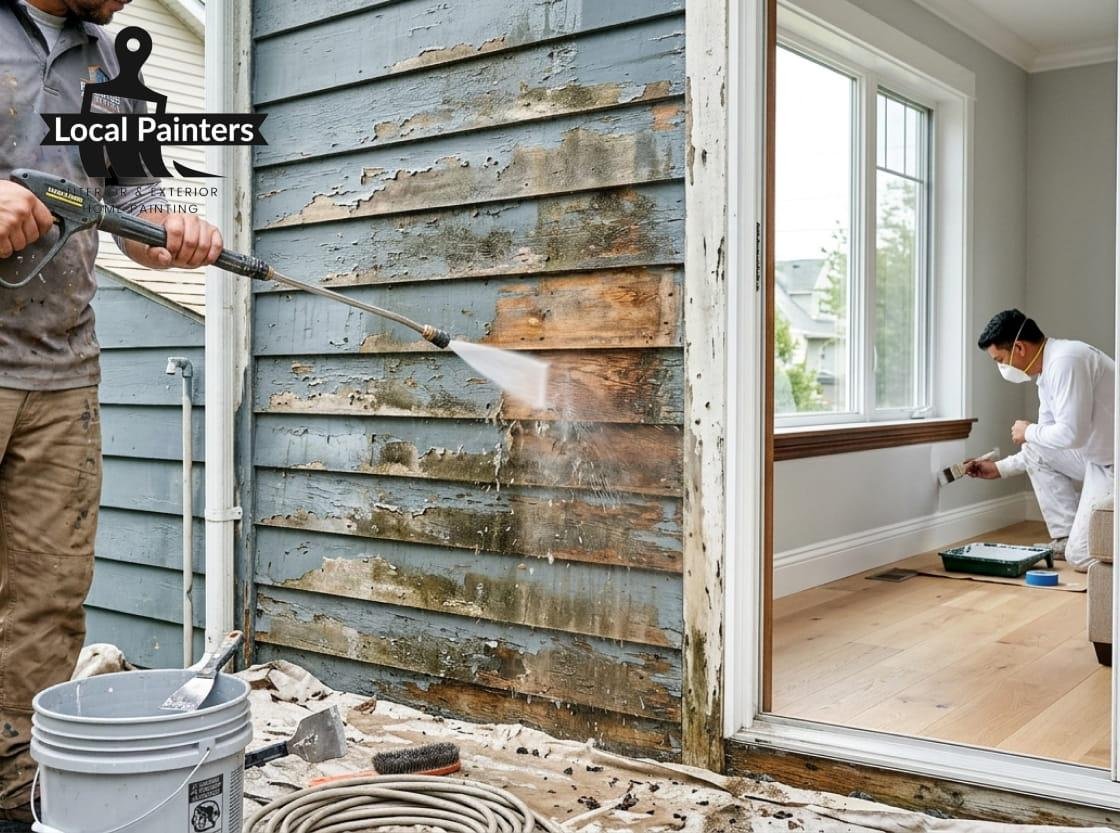
Surface preparation is the foundation of a good paint job. If walls have holes, cracks, or water damage, they must be repaired before any paint is applied. Exterior prep involves power washing to remove dirt and mildew, scraping off old, peeling paint, and sanding rough spots.
Interior prep includes filling nail holes, caulking gaps in trim, and protecting furniture and flooring. If a contractor finds lead paint or extensive wood rot on the exterior, the price will increase significantly. Lead abatement requires specialized equipment and disposal methods to meet safety standards.
Regional Differences in Pricing
The location of the property plays a significant role in the total bill. Regions with higher labor costs and strict insurance requirements typically see higher estimates. Local climates also dictate material needs; for example, homes in arid desert regions require UV-resistant formulas, while those in coastal areas need specialized coatings to resist salt air and high humidity, which adds to the material costs.
Things to Consider Before Making a Decision
Before hiring a service or starting a project, evaluate the current state of the home and the desired outcome. These factors help narrow down the budget and prevent unexpected costs.
- Current Condition: Peeling paint and wood rot require extensive prep work that raises the price.
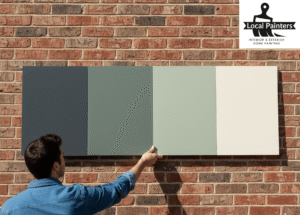
- Color Choice: Moving from a very dark color to a very light color often requires a primer coat and two or three topcoats.
- Access: Limited space between houses or difficult terrain for ladders can increase labor time.
- Lead Paint: Homes built before 1978 may contain lead, which requires certified professionals to handle safely.
- Occupancy: Interior painting is more efficient in an empty house than one filled with furniture.
Bonus Tip: Always request a written contract that specifies the paint brand, the number of coats, and the specific areas to be painted. This prevents disputes over what was included in the original price.
Common Questions About Painting Budgets
Understanding the nuances of a painting quote can save money and frustration. Here are some frequent financial points of confusion for homeowners.
Does the paint brand matter?
Yes. High-quality paints have more pigments and resins, which result in better coverage and a longer lifespan. Using a cheaper paint may require more coats, which increases labor costs and negates the initial savings.
Is labor more expensive than materials?
Labor is the largest portion of any professional painting quote. Expect to pay about three to four times more for labor than for the actual paint and supplies.
How often should a house be painted?
Most homes need new exterior paint every five to ten years. Interior walls may last longer, but are often repainted every three to seven years due to scuffs or changing style preferences.
Frequently Asked Questions
What is the cheapest way to paint a house?
Doing the work yourself is the least expensive option, as it eliminates labor costs. However, homeowners must factor in the cost of professional equipment like ladders, sprayers, and high-quality brushes. For those hiring a professional, choosing a similar color to the existing one can save money by reducing the number of coats needed.
Should I buy the paint myself to save money?
Contractors often receive professional discounts at paint stores that they may pass on to the client. If a homeowner buys the paint, they might pay full retail price and may accidentally purchase the wrong type of finish or quantity. It is usually best to let the professional handle the procurement.
How much does it cost to paint a two-story house?
Painting a two-story home usually costs 25 to 50 percent more than a single-story home of the same square footage. The increase covers the additional labor for ladder work, safety setups, and the extra surface area of the taller walls.
Does painting the ceiling cost extra?
Most contractors treat ceilings as a separate item. Painting a ceiling is physically demanding and requires extra protection for the floors. Expect to pay $1 to $2 per square foot specifically for ceiling surfaces.
Summary of House Painting Costs
Evaluating the cost of painting a house requires looking at the square footage, the condition of the surfaces, and the quality of the materials used. While the average range is $2,000 to $7,000, individual needs will dictate the final price. Professional services provide value through durability and speed, though materials and labor rates vary by region. Property owners should assess their specific goals and gather multiple quotes to ensure they receive a fair price for their investment.
Professional Painting Services
Local Painters provides high-quality residential painting for both interior and exterior projects. Property owners can receive a detailed estimate that covers all aspects of the job, from prep work to the final coat. For more information or to discuss specific project requirements, contact the office at 602-775-3019 or via email at localpaintersaz@gmail.com. Local Painters focuses on clear communication and reliable results for every home.
Sources
- HomeGuide – A detailed breakdown of national average costs for painting various home sizes and surfaces.
- Forbes Advisor – An expert guide on the variables that influence house painting prices and labor rates.
- Angi – A resource for understanding hourly labor rates and regional price differences for professional painters.
- Fixr – Comprehensive cost guides for different types of siding and interior painting requirements.