Skip to content

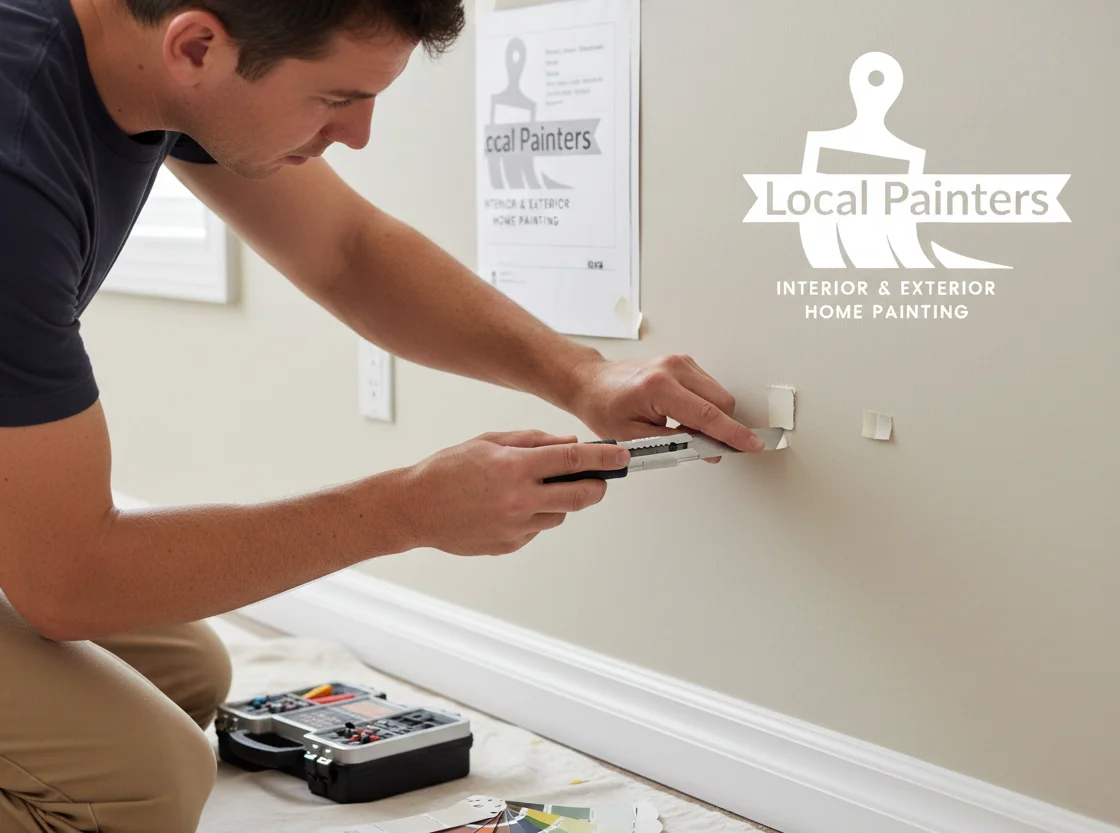
To match paint colors on a wall with high precision, the most effective method involves taking a physical sample to a professional paint center. Use a utility knife to carefully peel a one-inch square of paint from a discreet area of the wall, such as behind a baseboard or inside a closet. Paint stores use a device called a spectrophotometer to analyze this sample and create a custom formula that mimics the original color. If cutting into the wall is not an option, using a digital color matching tool or a brand-specific mobile application provides a secondary alternative for identifying the closest existing commercial shade.
Successful matching depends on identifying both the correct pigment and the specific finish of the surface. Even a perfect color match will stand out if the sheen does not align with the surrounding area. Local Painters brings extensive field experience to this process, ensuring that touch-ups or full wall repaints appear uniform under various lighting conditions. This guide outlines the technical steps and environmental factors necessary to achieve a professional result when identifying and replicating existing wall colors.
Physical Sample Extraction for Perfect Matches
The most reliable way to identify an unknown color is through a physical specimen. Modern technology allows paint retailers to break down the specific components of a dry paint film. According to instructions from The Home Depot, a sample the size of a quarter is generally sufficient for their scanners to read the data correctly.
When removing the sample, aim for a section where the paint is thick and clean. Avoid areas near windows where sun exposure might have significantly altered the original hue, unless the goal is to match the current faded state. Once the sample is removed, the exposed drywall or plaster will require a small amount of spackle and a dab of the new paint to repair the site. This method remains the gold standard because it accounts for the actual product on the wall rather than a digital approximation.
Bonus Tip: If a physical chip is impossible to obtain, remove a small item from the room that shares the exact same color, such as a switch plate cover or a piece of trim, to use as a reference at the store.
Digital Solutions for Rapid Identification
Technology has simplified the initial stages of color identification. Many major paint manufacturers have developed mobile applications that use a smartphone camera to scan a wall and suggest the nearest color match from their catalog. Tools like the ColorSnap app from Sherwin-Williams allow users to capture colors in real-time and find coordinating palettes.
While convenient, digital tools have limitations. Smartphone cameras interpret light differently based on the time of day and the type of bulbs used in a room. A color may look like a perfect match on a screen but appear several shades off once applied to the wall. For better results with digital tools, use a dedicated color sensor device. These small, puck-shaped tools connect to a phone via Bluetooth and provide their own controlled light source to eliminate environmental interference.
The Role of Sheen in Color Perception
Color is only half of the equation. The sheen, or gloss level, dictates how much light reflects off the surface. If the color matches but the sheen is too high, the repaired patch will look like a shiny blemish. Conversely, if the sheen is too low, the area will look dull and muddy compared to the rest of the wall.
| Method | Accuracy | Time Required | Best For |
|---|---|---|---|
| Spectrophotometer (Store) | High | 24 – 48 Hours | Exact touch ups and repairs |
| Mobile Application | Moderate | Instant | Finding a new, similar room color |
| Color Sensor Device | High | Instant | Professional use and quick matching |
| Physical Swatch Books | Moderate | 15 – 30 Minutes | DIY users with good lighting |
Most residential walls use flat, matte, eggshell, or satin finishes. Kitchens and bathrooms often utilize semi-gloss for its moisture resistance. When matching, always test a small amount of the paint and let it dry completely. Paint usually looks darker when wet, and the true sheen only becomes visible once the moisture has evaporated.
Considerations Before Starting Your Project
Before committing to a specific paint mixture, evaluate the condition of the existing wall. Several factors influence how a new batch of paint interacts with an old surface.
- Surface Cleanliness: Dust, oils, and smoke residue can change the appearance of paint. Clean the wall with a mild detergent and water before trying to match the color.
- Lighting Environment: Colors shift based on the Light Reflectance Value (LRV). As explained by Benjamin Moore, the LRV measures how much light a color reflects. A color that looks correct under LED bulbs might look different under natural sunlight.
- Paint Age: Over time, paint oxidizes and fades. Even if the original paint can is available, the paint inside might not match the wall perfectly anymore due to years of environmental exposure.
- Texture: Heavily textured walls create tiny shadows that can make a color appear darker than it actually is.
Bonus Tip: Always buy the smallest possible container, such as a sample pot, before purchasing a full gallon. Apply the sample to a two-foot square area and observe it throughout the day.
Addressing Color Fading and Environmental Factors
Walls do not age uniformly. Sections of a room that receive direct sunlight will fade faster than shaded corners. If the goal is to repair a small hole in a sunny area, matching a chip from a dark corner will result in a visible patch. In these cases, it is often better to match the current, faded state of the wall.
As noted by Behr, matching an existing color often requires the store to adjust the formula manually. If the computer-generated match is slightly off, professional mixers can add drops of black, yellow, or red to bring the hue closer to the target. This manual adjustment is an art that requires a keen eye and patience.
Common Questions About Matching Paint
Many homeowners wonder if they can match a color from one brand using another brand’s base. Most paint stores have the formulas for their competitors’ colors programmed into their systems. However, because different brands use different proprietary tints and base chemicals, the match may not be 100 percent identical. It is usually safest to use the brand that originally produced the color.
Another frequent concern involves discontinued colors. If a specific color is no longer manufactured, the physical sample method becomes the only viable path. A spectrophotometer does not care about the name of the color or the brand; it only cares about the light reflected from the sample chip.
How do I match paint if I cannot cut a hole in the wall?
If you cannot remove a chip, use a fan deck or individual color swatches from a paint store. Hold the swatches flat against the wall and view them in natural daylight. Move the swatches to different parts of the room to ensure the color holds up in different lighting.
Why does my touch-up paint look like a different color?
This usually happens because of “flashing.” Flashing occurs when the texture or sheen of the touch-up doesn’t match the original, or if the paint was not mixed thoroughly. It can also happen if the new paint is applied too thickly compared to the original coat.
Can a hardware store match a color from a photograph?
Photos are generally unreliable for color matching. Camera sensors and screen displays vary wildly in how they represent color. A photo should only be used as a general starting point for finding a color family, never for an exact match.
Is it better to repaint the whole wall?
If the wall is large and the patch is in the center, repainting from corner to corner is often the best choice. This eliminates the risk of a visible seam. Because the color change at the corner of a room is natural due to how light hits different planes, a slight mismatch between two different walls is much harder to notice than a patch in the middle of one.
Summary of Best Practices
Matching paint colors successfully requires a combination of technology and physical observation. For the best results, prioritize a physical sample for store analysis. Always consider the sheen level as much as the color itself, as the gloss dictates the final appearance on the wall. Test samples in your specific lighting and allow them to dry fully before making a final judgment. When a perfect match proves difficult due to fading or texture, repainting the entire wall from corner to corner provides the most professional and uniform finish. Local Painters suggests evaluating the age of the existing paint before deciding between a small touch-up and a full wall refresh.
Need Expert Assistance with Your Next Project?
Achieving a flawless finish requires precision and the right tools. Local Painters provides high-quality residential painting services designed to make your home look its best. Whether you need help matching a difficult color or want to refresh your entire living space, the team is ready to help. You can reach out via email at localpaintersaz@gmail.com or call 602-775-3019 to discuss your specific needs. Trust Local Painters to handle the details and deliver results that stand the test of time.
Sources
- The Home Depot – A guide on using spectrophotometers and physical chips for paint matching.
- Sherwin-Williams – Information regarding digital color matching tools and mobile applications.
- Benjamin Moore – An explanation of Light Reflectance Value and its impact on color perception.
- Behr – Technical advice on matching faded paint and adjusting color formulas.