Skip to content

The process of painting a house exterior involves four primary phases: cleaning the substrate, repairing surface defects, applying a bonding primer, and finishing with two coats of exterior-grade paint. Success depends on performing these steps when the ambient temperature is between 50 and 85 degrees Fahrenheit with low humidity to ensure proper adhesion and drying.
This guide provides the technical steps and professional standards required for a durable finish that protects the structure from environmental damage. Following a systematic approach prevents premature peeling and ensures the paint serves its protective function for several years.
Technical Standards for Surface Preparation
Proper preparation accounts for the majority of the labor in any painting project. Paint does not hide surface defects; it often highlights them. Neglecting the cleaning or repair phase leads to coating failure within two years.
Thorough Cleaning Protocols
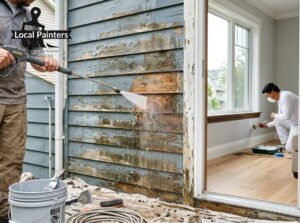
The exterior must be free of dirt, mildew, chalking, and loose debris. Using a pressure washer is the standard method for removing built-up grime. Care must be taken to avoid forcing water behind siding or into soffit vents. If mildew is present, apply a solution of bleach and water or a specialized house wash before rinsing.
Bonus Tip: Allow the house to dry for at least 48 hours after pressure washing before applying any paint or primer. Moisture trapped in the wood will cause the new finish to bubble and flake.
Mechanical Scraping and Sanding
Once the surface is dry, remove any loose or flaking paint. Use a stiff metal scraper to remove the bulk of the failing material. After scraping, sanding the edges of the remaining paint creates a smooth transition between the bare substrate and the old paint. This process, known as feathering, prevents the outlines of old paint chips from showing through the new finish.
Repairing and Sealing the Exterior
After cleaning and scraping, the home requires detailed repairs to ensure a watertight seal. This stage prevents moisture from entering the wall cavities and causing rot.
Caulking and Patching
Addressing Structural Damage
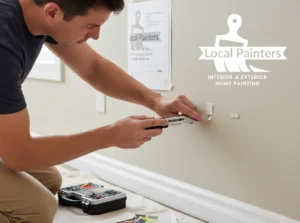
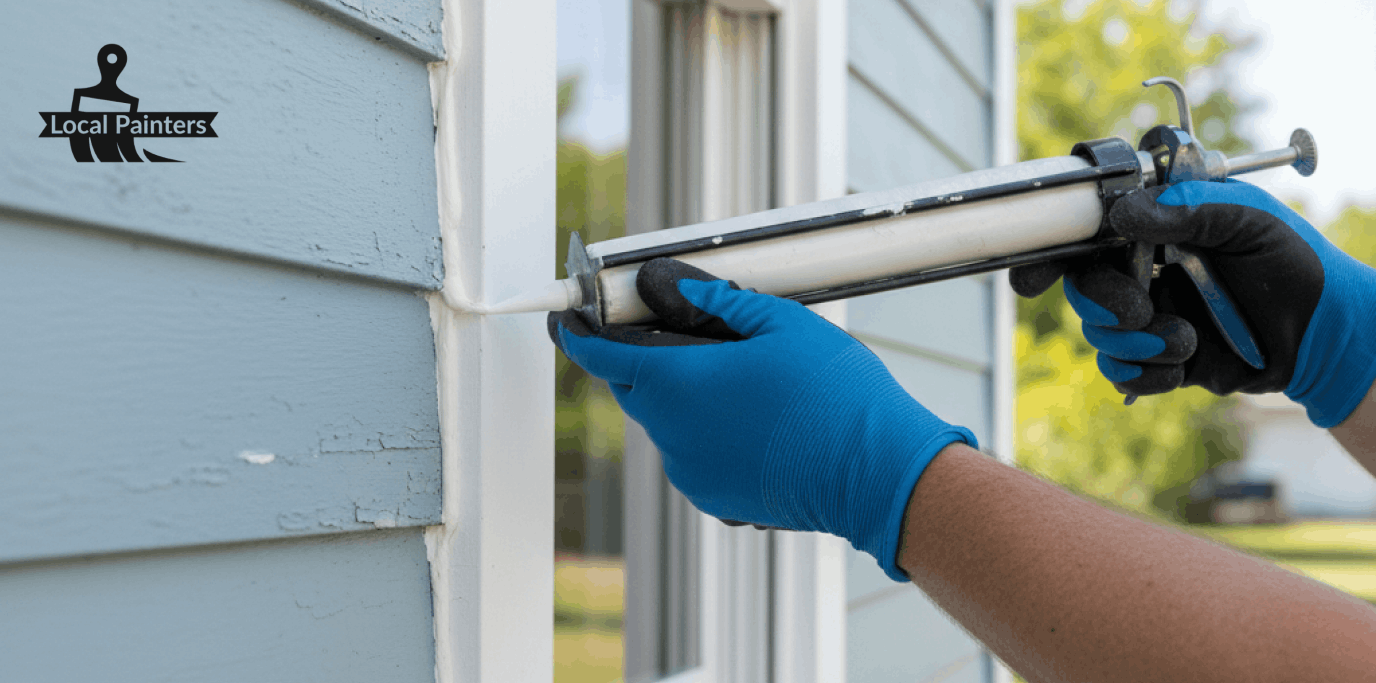
Inspect all joints where different materials meet, such as where window frames meet the siding. Remove old, cracked caulk and apply a fresh bead of high-quality exterior-grade caulk. Fill small holes or cracks in wood siding with an exterior wood filler and sand them flush once dry. According to technical guides from Sherwin-Williams, using a paintable siliconized acrylic caulk provides the best balance of flexibility and paint adhesion.
Any wood that shows signs of rot must be replaced rather than painted. Paint will not stop the spread of decay in compromised wood. Replace damaged trim boards or siding panels with matching materials to maintain the architectural integrity of the home.
Selecting the Right Materials
The choice of paint and primer determines how long the finish will last against UV rays and precipitation. Research from the Paint Quality Institute indicates that 100 percent acrylic latex paints offer superior durability and color retention compared to cheaper alternatives.
Paint Type Comparison
| Paint Characteristic | Acrylic Latex | Oil-Based |
|---|---|---|
| Dry Time | 1 to 4 hours | 24 hours |
| Flexibility | High | Low |
| Cleanup | Water | Mineral Spirits |
| VOC Levels | Low | High |
| Best For | Siding, Stucco | Metal, High-traffic trim |
Priming Requirements
Priming is not always necessary for repainting over existing paint in good condition, but it is mandatory for bare wood, masonry, or metal. A primer acts as a bonding agent that sticks to the substrate and provides a uniform surface for the topcoat. If the home has stains from cedar tannins or water damage, a stain-blocking primer is required to prevent discoloration from bleeding through the final coat.
Application Techniques for a Professional Finish
The order of application and the tools used impact the visual quality and the thickness of the paint film. A thicker film generally provides better protection against the elements.
Starting from the Top
Always begin painting at the highest point of the house and work downward. This approach allows the painter to catch drips and runs during the process. Paint the gables first, followed by the main siding, and finish with the trim and doors.
Brush and Roller Methods
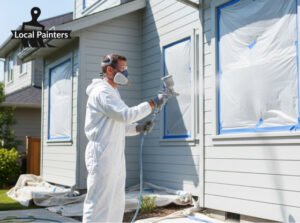
For large areas of siding, a roller or airless sprayer provides the fastest coverage. However, professionals often use a technique called back-brushing to ensure the paint penetrates the pores of the surface. This involves rolling the paint on and immediately following it with a brush to work the material into the grain.
Bonus Tip: Avoid painting in direct sunlight. Sun-drenched surfaces can be 20 degrees hotter than the air, causing the paint to dry too fast. This leads to lap marks and poor leveling.
Things to Consider Before Making a Decision
Before starting the project, several external factors require evaluation. These elements influence the cost, safety, and legality of the work.
- Lead Paint Risks: If the home was built before 1978, it likely contains lead-based paint. A report from the Environmental Protection Agency outlines specific safety protocols that must be followed to prevent lead dust contamination.
- Weather Patterns: Check the long-term forecast. High humidity slows drying times, while wind can blow dust and debris into wet paint.
- Home Value: Investing in exterior maintenance pays off. Data from the National Association of Realtors suggests that fresh exterior paint is one of the most effective ways to increase curb appeal and property value.
- Equipment Needs: High gables and two-story homes require stable ladders or scaffolding. Safety equipment like harnesses and stabilizers should be prioritized.
Common Questions Regarding Exterior Painting
How many coats of paint are necessary? A single coat of paint is rarely sufficient for an exterior. Two coats provide the necessary thickness to withstand UV exposure and temperature fluctuations. Significantly changing the color requires two coats to ensure even coverage.
How much paint should be purchased? Most exterior painting cover approximately 250 to 400 square feet per gallon. To calculate the needed amount, determine the total square footage of the walls and subtract the area of the windows and doors. Always buy ten percent more than the calculated amount to account for waste and future touch-ups.
Frequently Asked Questions
Can I paint my house if the temperature is below 50 degrees?
Most standard latex paints require temperatures above 50 degrees to cure correctly. However, some specialized low-temperature paints can be applied in weather as cold as 35 degrees. Always check the specific manufacturer’s label for the minimum application temperature.
How long does an exterior paint job typically last?
A high-quality paint job on wood siding usually lasts between five and seven years. Stucco and masonry can often go ten years or more before needing a refresh. Factors like local climate and the quality of the previous preparation influence this timeline.
Is it better to spray or roll the exterior?
Spraying is significantly faster and reaches into small crevices more easily. Rolling and brushing provide a thicker coat and better control in windy conditions. Many experts use a combination of both to achieve the best results.
Should I wash my house every year after it is painted?
Gently cleaning the exterior once a year helps maintain the paint. Removing dirt and bird droppings prevents the buildup of organic matter that can lead to mildew and premature coating degradation. Use a garden hose rather than a high-pressure washer for annual maintenance.
Final Steps for Homeowners
A successful exterior painting project requires patience and attention to detail during the preparation phase. Local Painters recommends that homeowners evaluate the condition of their siding and the height of their structure before beginning. Choosing high-quality 100 percent acrylic paints and following strict temperature guidelines will result in a finish that protects the home for years. Evaluate your specific timeline and physical ability to handle heavy ladders before committing to a full exterior repaint.
Professional Exterior Services
Maintaining a home’s exterior protects the structural integrity and value of the property. Local Painters provides expert guidance and professional application for residential projects throughout the region. For a detailed consultation regarding specific exterior needs, contact the team at 602-775-3019 or via email at localpaintersaz@gmail.com. Local Painters ensures that every project meets high technical standards for preparation and finish quality to provide long-lasting results for every homeowner.
Sources
- National Association of Realtors – A professional organization providing data on home improvement returns and real estate trends.
- Paint Quality Institute – An authoritative source for technical information on paint ingredients and performance testing.
- Sherwin-Williams – A leading manufacturer providing technical data sheets and application guidelines for architectural coatings.
- Environmental Protection Agency – A federal agency providing safety regulations and guidelines for handling lead-based paint.