Skip to content

To paint kitchen cabinets successfully, one must follow a strict sequence of degreasing, mechanical sanding, priming with a bonding agent, and applying specialized cabinet enamel. The process begins by removing all doors, drawers, and hardware to ensure every surface receives even coverage. Skipping the cleaning or sanding phases leads to paint failure, as kitchen grease prevents proper adhesion. For a professional result, focus on surface leveling and apply two thin coats of paint rather than one thick layer.
This guide provides a technical walkthrough of the kitchen cabinet painting process to help homeowners achieve a durable finish. By following these steps, individuals can update their space without the high cost of total cabinet replacement. Local Painters provides this information based on years of field experience in residential renovation and surface preparation.
Initial Preparation and Workspace Setup
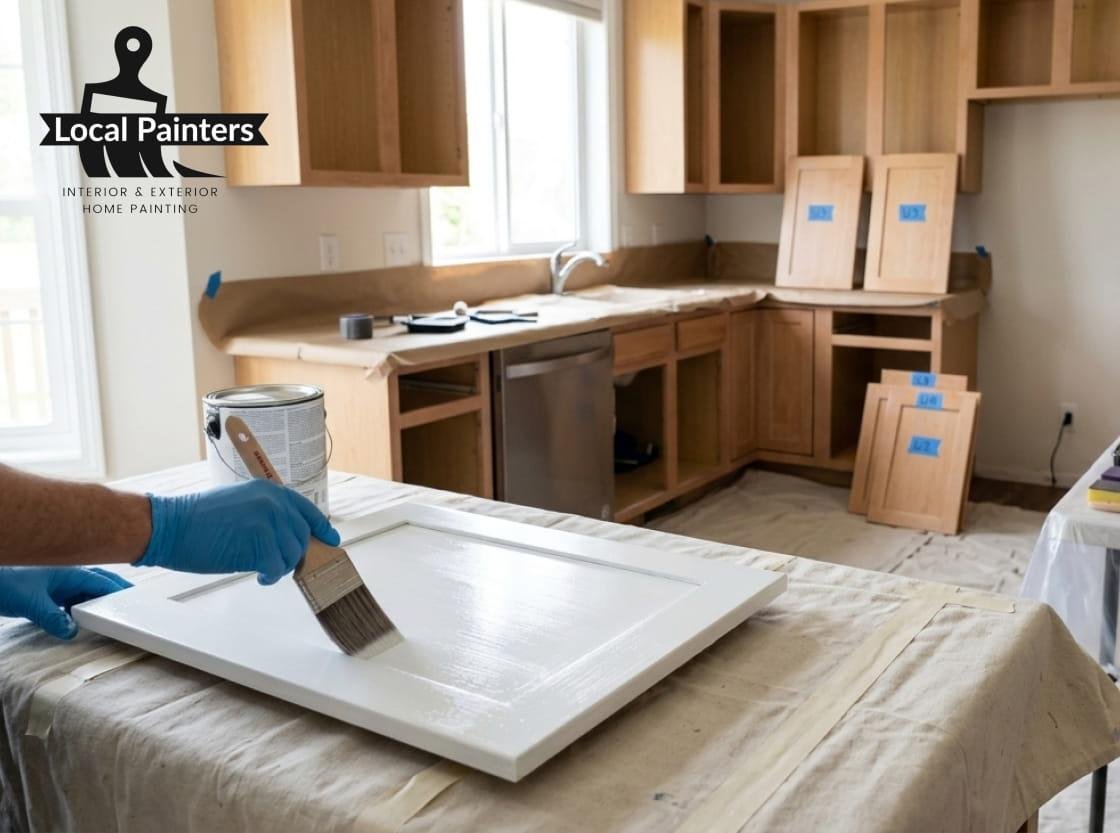
The kitchen cabinet painting process starts with organization. Remove every door and drawer front, labeling each one with a numbered piece of painter’s tape hidden in the hinge cup. This ensures that every piece returns to its original spot during reassembly. Place all screws, hinges, and pulls in labeled plastic bags.
Clear everything off the countertops and move appliances if possible. Cover the floors, counters, and remaining backsplash with heavy-duty builder’s paper or drop cloths. Use plastic sheeting to seal off the kitchen from the rest of the home, as sanding creates fine dust that travels easily.
Deep Cleaning for Maximum Adhesion
Kitchens are high-grease environments. Even cabinets that look clean likely have a thin film of cooking oils and skin oils near the handles. Use a strong degreaser like Trisodium Phosphate (TSP) or a dedicated kitchen cleaner to scrub every inch of the cabinet boxes and doors. Rinse the surfaces with clean water and allow them to dry completely before moving to the next phase.
Bonus Tip: Focus extra attention on the areas around the stove and the undersides of upper cabinets, as these collect the most grease and steam residue.
Sanding Kitchen Cabinets Before Painting
Sanding is not about removing the old finish entirely. The goal is to scuff the surface to create “tooth” for the new primer to grab onto. For most factory finishes, use 120-grit or 150-grit sandpaper. If the cabinets have an existing high-gloss lacquer, a slightly more aggressive approach might be necessary.
Avoid using power sanders on detailed molding or door profiles to prevent rounding off sharp edges. Hand-sanding these areas ensures the architectural details remain crisp. After sanding, vacuum all surfaces with a brush attachment and wipe them down with a tack cloth to remove every speck of dust. According to technical data from Sherwin-Williams, proper surface preparation accounts for nearly 80% of the success of any paint job.
Selecting Materials for Longevity
Choosing the right paint is vital for durability. Standard wall paint is too soft for cabinets and will stick to itself when the doors close, a problem known as blocking. Instead, use a modified alkyd or a water-based urethane enamel. These products dry to a hard, furniture-grade finish that resists stains and impacts.
| Feature | Water-Based Acrylic | Alkyd/Oil-Based | Urethane Hybrid |
|---|---|---|---|
| Durability | Moderate | High | Very High |
| Drying Time | 1 to 2 Hours | 12 to 24 Hours | 4 to 6 Hours |
| Odor Level | Low | High | Low to Moderate |
| Clean-up | Soap and Water | Mineral Spirits | Soap and Water |
| Yellowing | No | Yes (over time) | No |
Applying Primer on Cabinets
A bonding primer acts as the bridge between the old finish and the new paint. For most kitchen projects, a high-quality oil-based or shellac-based primer is the best choice because it blocks tannins and prevents old stains from bleeding through the new color.
Apply the primer in thin, even strokes. If the cabinets are made of oak, the deep grain will remain visible unless a high-quality grain filler is used after the first coat of primer to level the surface. Once the primer is dry, lightly sand the surfaces with 220-grit sandpaper to knock down any raised grain or brush marks. Wipe away the dust again with a tack cloth.
Professional Painting Techniques
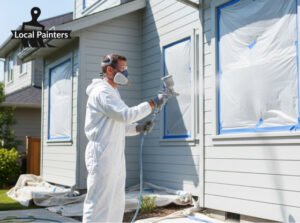
When applying the topcoat, there are two primary methods: brushing and rolling, or using a high-volume low-pressure (HVLP) sprayer. Spraying provides a perfectly smooth, factory-like finish but requires significant masking and equipment. Brushing and rolling is more accessible for most people.
Use a high-quality synthetic brush for the recessed areas and a 4-inch microfiber mini-roller for the flat panels. Work in small sections and maintain a “wet edge” to prevent visible lap marks. Apply the first coat and let it dry for the full time recommended by the manufacturer. Lightly sand between coats with 320-grit paper to ensure the final layer is as smooth as possible.
Factors to Consider Before Painting
Before starting this project, evaluate the physical condition of the cabinetry. If the wood is rotting or the particle board is swelling from water damage, paint will not fix the underlying issue. Additionally, consider the time commitment. A standard kitchen often takes five to seven days to complete correctly when accounting for drying times.
A report from Zillow suggests that mid-range kitchen updates, including cabinet refinishing, offer a strong return on investment compared to full gut renovations. However, homeowners must decide if they have the space to lay out all the doors and drawers for several days while the paint cures.
Bonus Tip: Check the weather forecast before starting. High humidity can significantly extend the drying time of water-based paints, leading to a tacky finish.
Common Questions Regarding Cabinet Finishes
Many people wonder if they can skip prep by using “no-sand” primers or chalk paint. While these products exist, they often lack the long-term durability provided by the mechanical sanding process described earlier. Proper sanding remains the most reliable way to ensure the paint stays bonded for years in high-traffic environments.
Another common concern is whether to paint the inside of the cabinets. Generally, the interiors are left in their original state unless they are glass-fronted. Painting the insides adds significant time and increases the risk of the paint chipping when sliding dishes in and out.
Frequently Asked Questions
How long should cabinet paint cure before reattaching hardware?
While the paint may feel dry to the touch within hours, it takes several days to reach its full hardness. It is best to wait at least 48 to 72 hours before installing hinges and pulls. Even then, handle the doors gently for the first 30 days.
Can laminate or melamine cabinets be painted?
Yes, but they require a specialized extreme-bond primer. Because laminate is non-porous, standard primers will slide right off. Use a primer specifically designed to stick to glossy, difficult surfaces.
Is it better to use a brush or a roller?
A combination of both usually works best for non-sprayed projects. Use a brush for the “cut-in” work in corners and a foam or microfiber roller for the large flat surfaces to minimize brush marks.
Why is my cabinet paint peeling?
Peeling is almost always caused by poor preparation. If grease was left on the wood, or if the surface was too glossy for the primer to grip, the paint will eventually lift. High moisture levels during application can also cause adhesion issues.
How much does it cost to paint kitchen cabinets?
The cost of materials for a DIY project typically ranges from $200 to $600 depending on the quality of paint and tools purchased. Professional interior painting services often base their rates on the number of doors and drawers. Data from Houzz indicates that professional refinishing can save homeowners up to 50% compared to the cost of new custom cabinetry.
Key Considerations for a Successful Project
The kitchen cabinet painting process requires patience and attention to detail. Success depends on the quality of the cleaning and the choice of a hard-drying enamel. Homeowners should evaluate their timeline and the current state of their cabinetry before beginning. While painting is an effective way to update a home, the labor involved is intensive. For those who prefer a professional touch, Local Painters offers specialized residential painting services to ensure a durable and high-quality finish. Always prioritize the curing time to prevent the new finish from marring or peeling shortly after the project ends.
Expert Assistance for Your Kitchen Remodel
Updating a kitchen is a major task that requires precision and the right equipment. Local Painters provides expert cabinet painting services to help homeowners achieve a factory-grade finish without the stress of a DIY project. The team handles everything from professional cleaning and sanding to high-end spray applications. For residents looking for reliable residential painting services, contact Local Painters at 602-775-3019 or via email at localpaintersaz@gmail.com to discuss project requirements and options.
Sources
- Sherwin-Williams – A technical guide on the importance of surface preparation and material selection for cabinetry.
- Zillow – An analysis of home improvement projects and their impact on property value and return on investment.
- Houzz – A platform providing market data on home renovation costs and popular design trends for modern kitchens.
- National Kitchen & Bath Association – An industry authority offering insights into the durability and standards of kitchen cabinetry finishes.