
Summarize with
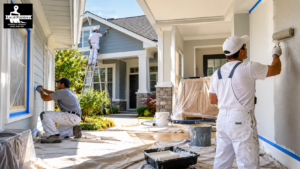
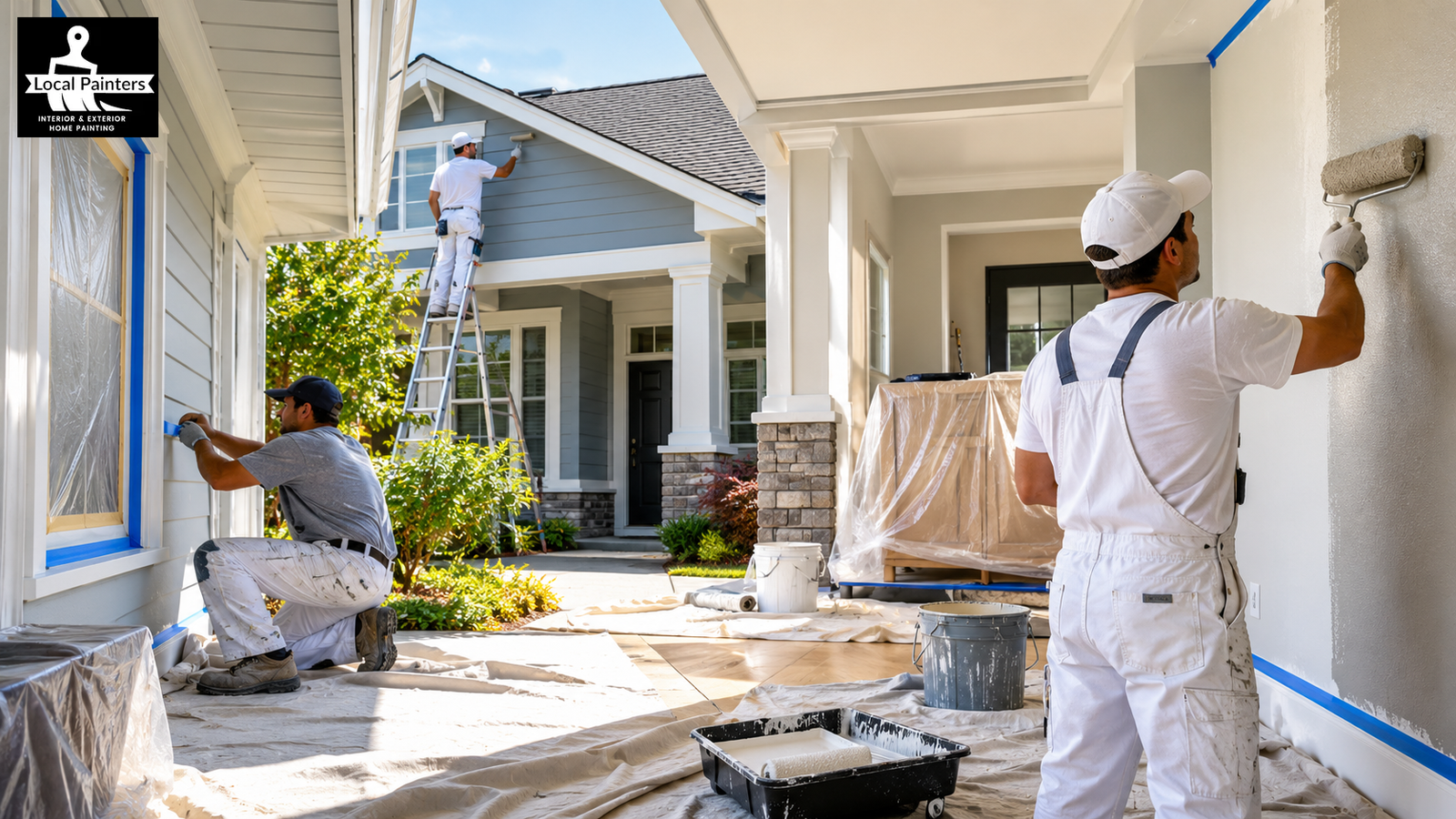
The eight stages of a residential painting process are the estimate, scope and color plan, preparation, protection, priming, finish coats, clean up, and final walkthrough. Most homes that are in Surprise require 3-6 working days at home to be completed, and most of those are spent preparing, not painting.
Houses built before 1978 add a checkpoint, because the EPA reports that about three quarters of homes from that era still contain some lead paint, and paid painters who disturb it must be lead safe certified.
We have been painting homes for over 11 years here at Residential Painting Experts In Surprise | Local Painters and know where homeowners tend to get caught off guard. Each stage is listed below, along with estimated timelines and costs to the Surprise area.
The Residential Painting Process in Eight Stages
Every paint job moves through the same eight stages. Whether it covers one bedroom or a whole house. How many days each stage takes and how much work is contained within each stage is shown here.
| Stage | What happens | Typical time (estimate) |
|---|---|---|
| 1. Estimate visit | Painter measures, inspects surfaces, notes repairs | 45 to 60 minutes |
| 2. Scope and color plan | Colors, sheens, products, written proposal | 1 to 3 days |
| 3. Preparation | Wash, scrape, sand, patch, caulk | 1 to 2 days |
| 4. Protection | Mask trim, cover floors, furniture, landscaping | Half a day |
| 5. Priming | Spot or full primer where needed | Half a day to 1 day |
| 6. Painting | Cutting in, rolling or spraying, two coats | 2 to 3 days |
| 7. Cleanup | Remove masking, haul debris | Half a day |
| 8. Walkthrough | Inspect, touch up, sign off | 1 to 2 hours |
Read the table as a chain of handoffs. The standard house painting process only works when each stage finishes before the next begins, which sounds obvious until a crew primes over patching that hasn’t dried. Skipped residential painting steps rarely show on day one. They show up eight months later as a bubble over a nail hole.
There’s no linear sequence to the residential painting process either. Weather inhibits outdoor work, a color chip does not appear right in the afternoon sunlight, and water damage surfaces behind old wallpaper. A good contractor will inform you the same day, not on a final invoice.
| Blue Tip: If you don’t know who is running the prep stage, ask and find out if the person in charge of the crew is there during the stage. The length of the paint’s lifespan depends on the prep, and it’s a part of the project that homeowners rarely see. |
House Painting Preparation Before Day One
House painting preparation includes washing, scraping, sanding, patching, caulking and priming of a surface before the first coat of paint is applied. It takes up a lot of space in most jobs, and determines whether new paint sticks or flakes.
In the painting industry, 80 percent of a good job is done in the preparation phase. It is a rule of thumb, not a measurement, but it’s right if you go back to the cause of a failed job, the paint was fine, but the surface wasn’t.
Your part of the residential painting process takes about one evening:
- Take pictures, mirrors, and small items off walls and surfaces in the work area
- Pull furniture away from walls, or leave it for the crew to center and cover
- Arrange for pets, since open doors and wet paint don’t mix
- Unlock side gates and share any gate or garage codes for exterior work
- Turn off the sprinkler timer, because a 5 a.m. cycle will soak masking on stucco
Surfaces get their own fixes. Kitchens get degreased first, since paint won’t grip stove grease. Glossy old trim gets scuff sanded. Water stains get a stain blocking primer, because ordinary paint lets them bleed back through.
Age changes the work. Sun City is located in an older neighborhood that offers plenty of homes built prior to 1978. If yours is one, EPA rules apply to all workers that are paid to disturb painted surfaces in a residential painting process, and the process requires a certified firm and the use of lead safe work practices. Do not go to the first scraper without proof of certification.
Interior House Painting Process: Room by Room
Start with the ceiling, then walls and trim, and then doors. That order keeps roller spatter and drips off work that’s already finished.
The crew transports furniture to the center of the room, covers it, and drops off canvas drop cloths before the can opens. Canvas is better than plastic because it is slippery and allows spills to collect. Spots are also primed for patching. Unprimed sections of drywall dry duller and will show through the paint as flashing because they absorb the paint differently than the rest of the wall.
Then comes cutting in: a brush line along ceilings, corners, and trim, followed by a roller across the open wall while the edge is still wet. Two finish coats are standard. Sheen matters as much as color, and it varies by surface:
| Surface | Common sheen | Why |
|---|---|---|
| Ceilings | Flat | Hides flaws, cuts glare |
| Bedrooms, living areas | Matte or eggshell | Forgiving, easy to touch up |
| Kitchens, baths, hallways | Satin | Wipes clean |
| Trim and doors | Semi gloss | Stands up to scuffs |
| Blue Tip: Before receiving a quote for painting, do your own paint math. The room is 12 ft by 14 ft and the ceiling is 9 ft, the perimeter of the room is 52 ft and the wall area is 52 x 9 = 468 sq ft. Subtract about 40 for a door and window and you’re near 428. Two coats is 856 square feet, and at 350 to 400 square feet per gallon that’s roughly 2.1 to 2.5 gallons. A quote that assumes one gallon per room deserves a question about coats. |
Rushing the recoat is the classic interior mistake. Most latex wall paints take about two to four hours before a second coat, depending on humidity and the label, and the residential painting process has that waiting built in. A crew that rolls over tacky paint pulls it right off the wall.
Exterior House Painting Process in Arizona Weather
The exterior house painting process begins with cleaning and fixes. Then priming bare areas and finally the house is painted in two coats, following the shade around the house. Surprise’s summer schedule is driven by heat and monsoon storms, more than the calendar.
Monsoon season officially runs June 15 through September 30, and one pop up storm can wreck a morning of wet paint. Heat causes the opposite problem. Paint that dries before it levels leaves lap marks and grips poorly, and many exterior labels cap application temperatures around 90 to 100 degrees. A west facing stucco wall can run far hotter than the air by mid afternoon, so crews start early on the sunniest sides and chase shade. Check your can for its exact limits.
Stucco brings its own prep. Hairline cracks get flexible exterior caulk, because paint alone won’t hold a crack closed once the wall moves with the heat. Chalky, sun faded surfaces get washed and primed so the finish has something to bite into.
When it comes to the residential painting process, it’s common practice for painters to bid more days than their square footage calls for because it generally begins at dawn and ends by early afternoon. October to April is easier on the paint and the painters! Warm neutrals reflect more heat than dark colours, and they also lose their colour in this sun.
Process, Timeline and Cost: Professional House Painting
A professional house painting process takes around 3 to 5 working days to paint the interior of a 1500 sq.ft. house in the Surprise area and charges approximately $3000 to $6000. A single story 2000 square foot stucco exterior will cost approximately $3500 – $7500 and take about four to six working days.
These are estimates for planning, not quotes.
| Project | On site time | Estimated cost | What pushes it higher |
|---|---|---|---|
| Interior walls and ceilings, 1,500 sq ft | 3 to 5 days | $3,000 to $6,000 | Dark to light color change, textured walls |
| Interior trim, baseboards, doors | 1 to 2 days | Add $800 to $2,000 | Stained wood that needs primer |
| Exterior, 2,000 sq ft stucco, one story | 4 to 6 days | $3,500 to $7,500 | Crack repair, second story, dark colors |
| Stucco crack repair and caulking | 1 day | Add $500 to $1,500 | Extent of cracking |
It costs about $2 to $4 per sq. ft. of living area and $1.75 to $3.75 per sq. ft. outside. Exteriors will be less expensive per foot because there is no furniture and fewer cut lines but repair of stucco and/or the need for ladders or scaffolding can offset this.
What moves the number is rarely the paint itself. The total depends on the amount of labor and prep time required, as well as the accessibility of the house to paint, so the residential painting process means a house that’s been painted years ago will be cheaper to paint than the one that was repainted years ago.
Estimate, Contract and License Checks
This should include all surfaces, number of coats, exact products and sheens of paint, prep work, start and end dates, and payment schedule all in a written estimate. It should also include the Arizona Registrar of Contractors license number since it’s required to have a licensed contractor for work exceeding $1,000 in Arizona.
The City of Sedona’s contractor hiring guide provides a summary of the state rule that, “for jobs that exceed $1,000, no matter the permit requirements, the person performing the work will need to be a registered contractor with an R.O.C. number. Before signing, verify the number with roc.az.gov and ensure that it matches the company name in the proposal.
A discussion on change orders is warranted. Contractors who avoid the subject usually create disputes later. A solid proposal says how extra work gets priced, say rotted fascia found mid job, and requires your signature before anyone does it. Scope and price should move together, and that’s how the residential painting process stays honest.
Ask what the deposit buys, too. Money for materials is normal. If all the money comes to the contractor before the paint hits the wall, take another look at that schedule.
| Blue Tip: Provide each bidder with the same list of items: rooms, ceilings, trim, doors, number of coats, paint line. Two quotes that are $1,200 apart are not in the different price ranges, they are in different ranges of scope. |
Final Walkthrough, Touch Ups and Cure Time
Final walk around is a light of day check with the crew lead before final payment. Visit each room and side of the house, inspect for flaws and use painter’s tape to document them before sending them off before the crew corrects.
Inspect walls using a raking light from a window to see multiple issues such as roller marks, missed areas, and thin rolls that can be seen in a straight on look. Also check the edges of the ceiling, door tops, and the side of the door that the hinges are on. When the residential painting process is finished, a signed punch list will ensure that any repairs will be covered by the painting home warranty.
Order paint trimmings (waste) by room, product, color name and sheen. Next, make sure to obtain a written workmanship warranty, including coverage and expiration dates and whom to contact. Peeling and blistering from poor adhesion are typically covered. Fading and impact damage usually aren’t.
Dry to the touch isn’t cured. Latex paint will be dry in an hour, and take up to about 30 days to harden completely; do not scrub walls until after 30 days and do not place furniture on fresh trim until a few days after the paint has dried.
Frequently Asked Questions
What is the 70/30 rule in painting?
A colour balance rule; it is about 70% of a room or exterior in the main colour, 30% in a secondary or accent colour. It helps to make a room not cluttered and provides visual interest for the eye to rest, and it’s a brother to the 60 30 10 design principle.
What is the 80/20 rule in painting?
There are two uses for the painter. Work rule: As a rule, about 80 percent of the final result consists of preparation. The color rule is 80 percent neutral, 20 percent bold; as a rule of thumb, it is that way.
What are the stages of painting a house?
The eight: Estimation, Scope & Color Plan, Preparation, Protection, Priming, Finish Coats, Cleanup and Final Walkthrough. The longest portion of the schedule is devoted to preparation.
How long does it take to paint a 2000 sq ft house exterior?
A single story stucco house takes 4-6 working days, depending on the size of the painting crew (3-4 people). Heavy crack repairs, a second floor or dark to light color change can extend the schedule by 2 or 3 days, and storms or excessive heat can disrupt the schedule.
What color house sells the fastest?
The warm neutrals such as soft white, grey and light tan are the most readily marketable as they can be seen in their environment of furniture and style. Lighter colors reflect more heat than darker colors in Arizona, as well.
How much should I pay a painter per day?
Estimate $320 to $600 for an eight hour day, based on $40 to $75 per hour. The licensed companies are found in those figures in the upper half, because they include the wages & insurance & bonding & supplies & overhead, and more.
In what order do you paint the interior of a house?
First come ceilings second walls third trim and fourth doors, working top to bottom in each room. Finally, touch ups are applied while the remaining wet areas have been dried.
How much should it cost to paint the interior of a 1500 sq ft house?
The cost of walls and ceilings in Surprise ranges around 6,000 per square or approximately
4 per square foot. The cost of trim and doors is usually $800 – $2,000 and will require an additional coat when dark to light color changes are required.
Get Your Estimate
Ready to see how these stages apply to your house? Local Painters handles interior and exterior projects in Surprise and nearby, backed by more than 11 years of experience. We’ll walk you through the residential painting process for your home, room by room or wall by wall.
Call 602-775-3019 or email localpaintersaz@gmail.com, and have your questions on timeline, colors, and scope ready.
Sources
City of Sedona, Tips When Hiring a Contractor: A municipal guide that gives a summary of the Arizona Contractor Law, including the $1,000 license amount, the requirement for the R.O.C. number and more.
Lead Renovation, Repair and Painting Program: A summary of EPA’s pre-1978 home lead paint certification rule, along with EPA’s estimate that three out of four of these homes have some lead paint.