
Summarize with
Painting a house exterior typically costs between $3,000 and $7,000 for an average two-story home, though smaller single-story properties might cost as little as $1,800. On a square-foot basis, professional house painters generally charge between $1.50 and $4.00, covering both labor and materials. These figures fluctuate based on the condition of the siding, the type of paint used, and the complexity of the architectural details.
This guide provides a detailed breakdown of the expenses involved in refreshing a home’s exterior. By examining labor rates, material costs, and regional trends, property owners can accurately budget for their next project. Local Painters provides these estimates based on current market trends and years of field experience to ensure homeowners have realistic expectations before starting.
Average Pricing by House Size
The total square footage of the exterior walls is the most significant factor in determining the cost to paint a house. Most professionals calculate their bids based on the paintable surface area rather than the interior living space. For example, a house with high gables or a walk-out basement has more surface area than a standard box-shaped home of the same interior size.
| Home Size (Square Feet) | Estimated Exterior Surface Area | Typical Cost Range |
|---|---|---|
| 1,000 (Small/Ranch) | 800 – 1,200 sq. ft. | $1,500 – $3,500 |
| 2,000 (Standard 2-Story) | 1,500 – 2,200 sq. ft. | $3,000 – $6,500 |
| 3,000 (Large Home) | 2,500 – 3,200 sq. ft. | $4,500 – $9,000 |
| 4,000+ (Estate) | 3,500+ sq. ft. | $7,000 – $12,000+ |
According to data from HomeAdvisor, the national average for an exterior paint job sits around $3,143. However, high-end projects involving extensive wood repair or multi-color schemes often exceed these averages.
The Impact of Siding Material on Price
The texture and porosity of the siding dictate how much paint is required and how much labor is needed to apply it. Smooth surfaces like vinyl or aluminum siding are often faster to paint, while rough surfaces like stucco or brick require more time and product.
Wood and Cedar Siding
Wood is one of the more expensive materials to maintain. It often requires significant scraping, sanding, and priming to ensure the new coat adheres properly. Cedar shingles specifically can soak up large amounts of stain or paint, often requiring a second or third coat to achieve a uniform look.
Stucco and Masonry
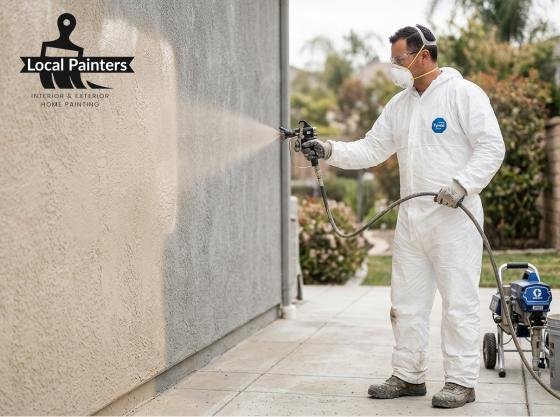
Stucco is highly porous and has a large surface area due to its bumpy texture. Painting stucco often requires specialized elastomeric paint, which is thicker and more expensive than standard acrylic. This type of paint helps bridge small cracks and prevents water intrusion.
Vinyl and Metal Siding
Vinyl siding requires specific paints that can expand and contract with temperature changes without peeling. While the application is often faster, the surface must be perfectly clean. Metal siding, such as aluminum, needs a specialized primer to prevent oxidation from bleeding through the topcoat.
Brick Surfaces
Painting brick is a permanent decision that involves specific masonry primers and breathable paints. Because brick is extremely porous, it often takes twice as much paint as wood or vinyl. Pricing from Angi suggests that brick painting can increase material costs by 20 to 30 percent compared to smooth surfaces.
Labor vs Material Costs
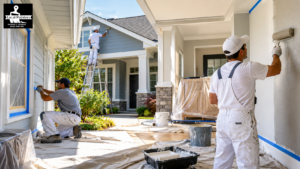
In the professional painting industry, labor typically accounts for 70 to 80 percent of the total quote. Skilled house painters bring specialized equipment like industrial sprayers, extension ladders, and safety harnesses that the average homeowner does not own.
Professional Labor Rates
Most painting companies charge between $25 and $100 per hour per worker. A standard three-person crew can often finish a mid-sized home in three to five days, depending on the weather and the amount of preparation needed. This labor cost covers not just the application, but also the extensive protection of windows, landscaping, and walkways.
Paint and Primer Prices
Quality paint usually costs between $40 and $80 per gallon. While cheaper options exist, they rarely last as long in harsh weather conditions. A typical 2,000 square foot home might require 15 to 20 gallons of paint plus several gallons of primer. High-quality acrylic latex paint is the industry standard for its durability and flexibility.
Bonus Tip: Choosing a “self-priming” paint can save on labor time, but for older homes with peeling paint or bare wood, a dedicated separate primer is always more effective for long-term durability.
The Role of Surface Preparation
Preparation is the most essential part of any exterior project. If a crew spends two days painting but only two hours preparing, the paint will likely fail within a year. That’s why investing in proper prep through expert exterior painting services is critical for long-lasting results. Extensive prep work is a major reason why some quotes are significantly higher than others.
Common preparation tasks include:
- Power Washing: Removing dirt, mold, and mildew so the paint can bond.
- Scraping and Sanding: Removing loose or flaking paint to create a smooth surface.
- Caulking: Sealing gaps around windows, doors, and trim to prevent moisture damage.
- Masking: Using tape and plastic to protect areas that should not be painted.
A report by Forbes Home notes that intensive preparation can add $500 to $2,000 to a project, but it can double the lifespan of the paint job.
Regional Pricing Differences
Geography plays a significant role in the cost to paint a house. In metropolitan areas with a high cost of living, labor rates are naturally higher. Additionally, climate dictates the “painting season.” In northern states, the season is short, which can lead to higher demand and prices during the summer months. In southern states, humidity and heat might require specific types of paint that resist fading and fungal growth.
When comparing home painting near me, homeowners should look for local contractors who understand the specific weather challenges of the area. For example, homes in coastal regions need paint that can withstand salt air, while desert homes need high UV resistance.
The Right Way to Evaluate Before Deciding
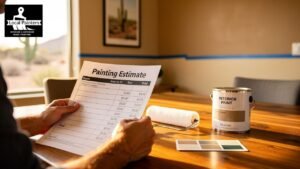
Choosing a contractor involves more than just looking at the bottom line. It is important to compare the scope of work included in each estimate.
Verify Insurance and Licensing
Ensure any company providing painting services near me carries both general liability and workers’ compensation insurance. If an accident occurs on the property and the contractor is uninsured, the homeowner could be held liable for medical expenses or damages.
Review the Warranty Terms
A reputable company should offer a warranty on its labor, typically ranging from two to five years. Understand what the warranty covers, such as peeling or blistering, and what it excludes, such as damage from natural disasters or settling.
Analyze the Material Specs
Ask which brand and line of paint the contractor plans to use. Some quotes might be lower because the painter uses contractor-grade paint that wears out quickly. Requesting a premium line can add a few hundred dollars to the bill, but might extend the life of the paint by several years.
Bonus Tip: Get at least three written estimates. This helps identify if one company is overcharging or if another is underbidding, which could indicate they are cutting corners on prep or materials.
Comparing Interior and Exterior Pricing
While this guide focuses on exteriors, many people wonder about the interior painting cost during a full home renovation. Interior work is usually priced by the room or by the square foot of floor space. Interior projects generally involve less intense prep work regarding the elements but require more precision around flooring and furniture. Often, hiring the same crew for both exterior and interior work can lead to a small discount on the overall project.
Common Questions
How often should a house be painted?
Most homes need fresh exterior paint every five to ten years, especially in extreme climates like Arizona where heat and UV exposure can accelerate wear. If you’re unsure about timing, this detailed guide on how often should you repaint your house exterior in Arizona heat explains the ideal repainting schedule based on local conditions and helps homeowners plan maintenance more effectively.
Does the color of the paint affect the price?
Darker colors can be slightly more expensive because they often require more coats to achieve full coverage. Additionally, deep pigments can fade faster in the sun, sometimes requiring higher-end paints with better UV protection.
Is it cheaper to paint a house in the winter?
In many regions, painters offer “off-season” discounts during the colder months. However, exterior painting requires specific temperature ranges (usually above 35 to 50 degrees Fahrenheit) to cure properly, so winter painting is only possible in certain climates.
Should I repair siding before the painters arrive?
Yes, painters are not always carpenters. If there is rotted wood or cracked stucco, those repairs should be completed before the painting begins. Some painting companies offer minor repairs, but major structural issues need a specialist.
Summary of Key Takeaways
The cost to paint a house depends on size, material, and the amount of preparation required. While a basic refresh might start around $1,800, a comprehensive project for a larger home frequently reaches $7,000. Investing in high-quality materials and thorough surface preparation ensures the results last for a decade, providing better value than a cheap, short-lived application. Property owners should carefully review quotes to ensure labor, materials, and warranties are clearly defined. Always prioritize contractors who demonstrate clear communication and provide a detailed breakdown of the work they intend to perform.
Professional Exterior Services
Local Painters provides detailed estimates for homeowners looking to protect and beautify their properties. For a personalized quote or to discuss specific project needs, contact us at 602-775-3019 or via email at localpaintersaz@gmail.com. Local Painters focuses on high-quality finishes and durable results for every home.
Sources
- HomeAdvisor – A comprehensive guide on national average costs for exterior painting projects.
- Angi – Detailed breakdown of labor rates and material costs for various siding types.
- Forbes Home – An analysis of regional pricing factors and the importance of surface preparation.