Skip to content


Hiring a professional painter is one of the most efficient ways to refresh your home’s look, but understanding the painting service cost is essential before starting your project. Whether you’re planning to paint a single room or your entire home, the total cost can vary based on multiple factors. Knowing what goes into the painting quote breakdown can help you plan your budget better and avoid surprises.
At Local Painters, we believe transparency and quality go hand-in-hand. That’s why we’ve outlined the most common factors that influence the cost to paint a room, house exterior, or full interior. Let’s dive into what really shapes the final price of painting services.
1. Size of the Area to Be Painted
One of the most obvious components affecting house painting prices is the size of the space. Larger areas require more paint, more time, and more labor. Painters often calculate pricing based on square footage. For example:
- Interior rooms: Smaller rooms like bathrooms cost less to paint than spacious living rooms or open-concept kitchens.
- Exterior surfaces: Multi-story homes or those with extensive trim will usually have higher exterior painting rates.
A detailed measurement helps create a more accurate interior painting estimate or exterior quote.
2. Surface Preparation and Condition
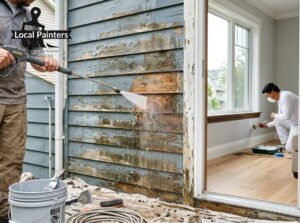
The current state of the surface plays a big role in pricing. Cracked drywall, peeling paint, stains, or mold need to be addressed before new paint goes on. Prepping the surface could include:
- Cleaning and sanding walls
- Patching holes or cracks
- Removing wallpaper or old finishes
- Priming dark or stained areas
More preparation increases both labor cost for painting and time requirements, which affects your final quote.
3. Type and Quality of Paint
Not all paints are created equal. Choosing high-end or specialty paints can increase the paint material cost, but they often offer better coverage and last longer. Variables that influence paint pricing include:
- Finish type (flat, satin, semi-gloss, gloss)
- Brand and quality
- Color choices (some colors may need more coats)
Low-cost paints might save you upfront, but they often require additional coats, increasing overall expenses.
4. Interior vs. Exterior Painting
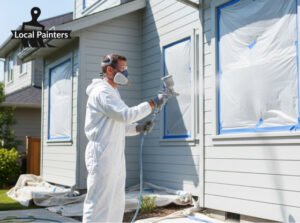
Painting the outside of a home usually involves more time, tools, and materials compared to indoor spaces. Why?
- Exterior painting often requires scaffolding or ladders
- Outdoor conditions like wind or temperature may slow the process
- Surfaces like stucco, siding, or brick demand different techniques
As a result, exterior painting rates are generally higher than interior jobs.
5. Labor and Experience Level
Professionalism and experience come with a price, and rightly so. Trained, licensed painters who deliver high-quality work typically have a higher professional painting pricing structure. The labor cost for painting includes:
- Skilled manpower
- Insurance and certifications
- Time to complete the job
While DIY might seem cost-effective, hiring trained professionals ensures smoother finishes, safer practices, and long-lasting results.
6. Number of Coats Required
Certain colors, finishes, or previous wall shades may require multiple coats for proper coverage. Applying two or three coats, instead of one, impacts both labor time and paint material cost. For example:
- Switching from dark to light colors often needs extra coats
- Textured walls may absorb more paint than flat ones
Make sure your painting quote breakdown includes the number of coats so you’re aware of any additional costs.
7. Accessibility of the Area
Challenging-to-reach areas, such as vaulted ceilings, stairwells, or multi-level exteriors, require special equipment and more time. Ladders, scaffolding, or safety gear can increase the painting service cost due to added complexity.
Even interior rooms with large furniture, limited lighting, or tight layouts may demand extra setup and maneuvering.
8. Trim, Doors, and Detail Work
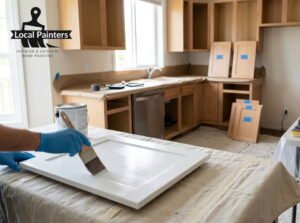
It’s not just about walls. If your project includes baseboards, crown molding, cabinets, or doors, the cost to paint a room can rise. Detailed work requires:
- Precision
- Additional prep
- Special brushes or materials
Painting trim or architectural details increases time and labor, which is reflected in your final pricing.
9. Geographic Location and Market Rates
Where you live plays a role in your house painting prices. Urban areas typically have higher costs due to demand, overhead, and labor availability. Local taxes, travel time, and supply costs may also be part of the quote.
That’s why getting a local interior painting estimate from a nearby, trusted provider like Local Painters ensures realistic, competitive pricing.
10. Additional Services or Add-ons
Do you need wall repairs, drywall replacement, color consultation, or furniture moving? Add-ons like these will increase your quote but offer added convenience and professionalism. Services that can add value and cost include:
- Wall or ceiling texture application
- Minor carpentry repairs
- Accent wall or mural painting
Ask for a painting quote breakdown to see how these extras influence your total estimate.
Plan Smart with an Accurate Painting Estimate
Understanding the factors affecting painting cost helps you prepare, compare quotes fairly, and get the best value for your investment. Here’s a quick checklist before hiring a painter:
- Get a detailed estimate (materials + labor)
- Ask about prep work and cleanup
- Clarify number of coats
- Confirm brand and type of paint used
- Understand the timeline and guarantees
With this knowledge, you can plan confidently and avoid last-minute surprises.
Contact Local Painters for a Transparent Painting Quote
At Local Painters, we believe in clear communication, fair pricing, and top-tier results. Whether you’re planning a small room refresh or a full home repaint, our expert team is here to guide you through every step. From accurate interior painting estimates to professional finishes, we handle your project with care and precision.
Call Local Painters today for a personalized quote and let us help you transform your space with confidence.
FAQs About Painting Service Costs
1. How much does it typically cost to paint a room?
The average cost to paint a standard 10×12 room ranges from $300 to $800, depending on surface condition, paint quality, and number of coats required.
2. Do painters charge by the hour or square foot?
Most professional painters charge by square foot for larger projects and hourly for small or detailed jobs. Quotes often combine both methods depending on scope and complexity.
3. What affects the cost of exterior house painting the most?
Key factors include surface material, house size, accessibility, prep work, and weather conditions. Stucco or brick surfaces typically cost more than siding.
4. Can I reduce painting costs by doing some prep work myself?
Yes. Cleaning walls, removing furniture, or repairing minor holes before the painters arrive can reduce labor time and lower the overall cost.
5. Is it cheaper to paint during a certain time of year?
Off-peak seasons, like winter or early spring, may offer better pricing or discounts due to lower demand. Always check with your local painters for seasonal availability.