
Summarize with
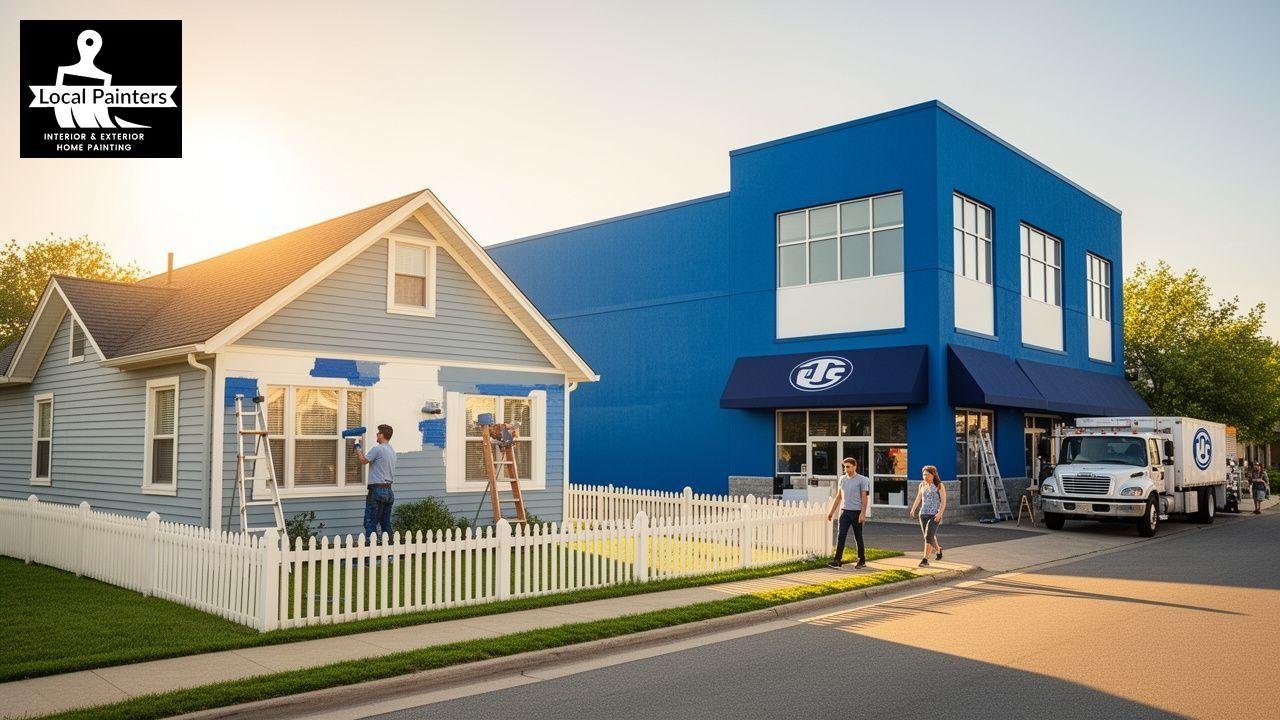
The primary difference between commercial and residential painting involves the scale of the work, the chemical composition of the coatings, and the logistical requirements of the project. Commercial painting covers large structures like shopping centers, hospitals, and office buildings, which demand industrial-grade durability and specialized application methods. Residential painting focuses on houses and apartments, where the priority is often fine detail, color matching, and creating a comfortable living environment with minimal odor.
Property owners must recognize that these two categories are not interchangeable. A project involving a thousand-unit apartment complex or a manufacturing plant requires different insurance, safety protocols, and staffing levels than a kitchen remodel or a single-family home exterior. This article provides a detailed breakdown of how these services differ in scope, material usage, and project management to help owners make informed decisions.
Scale and Scope of Work
The most obvious distinction is the sheer size of the surface area. Residential painting usually involves interior rooms or the exterior siding of a single home. These projects are often manageable by a small team of two or three people using standard ladders and hand tools.
In contrast, commercial painting services deal with massive square footage. This includes high-rise exteriors, expansive warehouse floors, and miles of hallway space in schools or hotels. Because of the size, these jobs require a larger workforce to meet deadlines. According to market data from Grand View Research, the demand for commercial coatings is driven by the need for protective layers on large-scale infrastructure, which emphasizes the protective nature of these projects over simple decoration.
Equipment and Technical Requirements
The commercial building painting process demands heavy-duty machinery that a residential painter rarely needs. While a home project might use a basic airless sprayer, commercial jobs often require:
- Boom lifts and scissor lifts for reaching heights on tall buildings.
- Industrial sandblasters for surface preparation on metal or concrete.
- Pressure washers with significantly higher PSI ratings to strip old industrial coatings.
- Specialized sprayers capable of handling thick, high-viscosity epoxy or elastomeric paints.
Residential painting relies more on precision tools like high-quality brushes, small rollers, and drop cloths to protect furniture and flooring. The focus remains on neatness and manual dexterity.
Material Selection and Durability
The commercial vs residential paint types vary significantly in their chemical makeup. Homeowners generally prefer latex or water-based paints because they dry quickly and have low levels of volatile organic compounds (VOCs). These paints are designed to look beautiful in natural light and withstand the typical wear of a family home.
Commercial painting requirements dictate the use of high-performance coatings. These materials must survive harsh conditions, including heavy foot traffic, chemical exposure, and constant cleaning. Common commercial materials include:
- Epoxy Coatings: Used for garage floors or laboratories because they resist chemicals and impacts.
- Urethane and Polyurethane: Applied to metal surfaces to prevent rust and sun damage.
- Elastomeric Paints: Used on masonry to provide a waterproof barrier that moves with the building.
Project Management and Scheduling
The way a project is managed differs based on the type of property. Commercial painting project management involves coordinating with multiple stakeholders, such as facility managers, general contractors, and business owners. These projects often have strict deadlines tied to business openings or inspections.
Scheduling is a major differentiator. Residential painters typically work standard business hours, such as 8:00 AM to 5:00 PM. However, commercial work often happens “after hours.” To avoid disrupting customers or employees, crews may work overnight or on weekends.
Bonus Tip: When hiring for a business, ask if the crew offers “phased scheduling.” This allows the team to paint one section of a building at a time so the business can stay operational throughout the project.
Comparison Table for Property Owners
|
Feature |
Residential Painting |
Commercial Painting |
|
Primary Goal |
Aesthetics and personal preference |
Durability and branding |
|
Common Substrates |
Wood, drywall, siding |
Steel, concrete, masonry, metal |
|
Crew Size |
2 to 4 people |
10 to 30+ people |
|
Paint Type |
Latex, water-based, low VOC |
Epoxy, industrial urethanes, oil-based |
|
Safety Standards |
General ladder safety |
OSHA compliance, fall protection, lifts |
|
Project Length |
1 to 5 days |
Weeks or months |
Benefits of Professional Commercial Painting
Hiring a team specifically trained for business environments offers advantages beyond a fresh coat of color. Professional teams understand the importance of branding and can match specific corporate color schemes with high precision. Furthermore, they are equipped to handle the legal and safety requirements of a job site. Data from the Bureau of Labor Statistics indicates that professional painters in the commercial sector are more likely to undergo specific safety training to manage the risks associated with large-scale construction environments.
Factors to Consider Before Hiring
Before starting any project, property owners should evaluate several factors that influence the success of the work:
- Insurance Coverage: Commercial projects require much higher liability limits and workers’ compensation coverage due to the risks of working at heights or with heavy machinery.
- Surface Preparation: Commercial buildings often have layers of old, industrial paint that may contain lead or require chemical stripping. This process is more intensive than sanding a bedroom wall.
- Environmental Impact: Businesses must often comply with local regulations regarding paint disposal and VOC emissions.
- Future Maintenance: Consider how easy the surface will be to clean. High-traffic areas in a retail store need finishes that can withstand frequent scrubbing.
Bonus Tip: Always request a “mock-up” on a small section of the actual wall. Lighting in a large warehouse or office is different from that in a home, and the color may shift significantly once applied to a large surface.
Common Questions Regarding the Process
Property owners frequently ask about the financial and logistical aspects of these two distinct services. While the basic skill of applying paint is shared, a residential painter’s lack of heavy equipment and large-scale management experience can lead to significant delays and safety risks on a commercial site.
Pricing is another frequent inquiry. Commercial painting is often priced by square footage or by the gallon of specialty coating used, whereas residential jobs are typically quoted based on the number of rooms or the complexity of the trim work. Understanding these pricing models is essential for accurate budgeting.
Frequently Asked Questions About Painting Services
Can I use residential paint on a commercial exterior?
Standard residential paint is usually not strong enough for commercial use. Commercial exteriors face more abuse from weather, pollution, and physical contact. Industrial coatings are necessary to ensure the finish lasts more than a couple of years.
Do commercial painters offer warranties?
Yes, most professional commercial teams provide warranties that cover both the material and the labor. Because commercial materials are more expensive and difficult to apply, these warranties are essential for protecting the investment of the property owner.
How do painters protect a business from fumes?
Teams use low-odor paints or “zero-VOC” options when working in occupied spaces like hospitals or offices. They also use high-powered fans and air scrubbers to ensure that the air remains safe for employees and customers.
Is the surface preparation different for homes and businesses?
Residential prep usually involves minor patching and sanding. Commercial prep can be much more aggressive, involving power washing, chemical etching of concrete floors, or using grinders to remove old epoxy before a new layer is applied.
Key Considerations for Property Owners
Identifying the specific needs of a building is the first step toward a successful project. Residential painting focuses on the nuances of a home, prioritizing the comfort of the residents and the visual appeal of the living space. Commercial painting focuses on the long-term protection of the asset, safety compliance, and efficient project execution that respects the business’s bottom line. Local Painters suggests that owners verify the contractor’s experience with their specific building type before signing a contract.
Whether the goal is to refresh a living room or protect a multi-story parking garage, choosing a team with the right tools and expertise ensures the job is done correctly. Evaluate the project size, the required durability, and the necessary timeframe to determine which service model fits the situation.
Local Painters Contact Information
Local Painters provides professional services for various property types across the region. For inquiries regarding project scopes or to discuss specific building requirements, contact the team at 602-775-3019 or via email at localpaintersaz@gmail.com. Local Painters focuses on delivering high-quality results tailored to the unique demands of every structure.
Sources
- Grand View Research – A report detailing the market trends and demand for industrial and architectural coatings.
- Bureau of Labor Statistics – Federal data regarding the training, safety requirements, and work environments of professional painters.
- Grand View Research: Commercial Painting Services – An analysis of the growth and specific requirements of the commercial painting service sector.