Skip to content

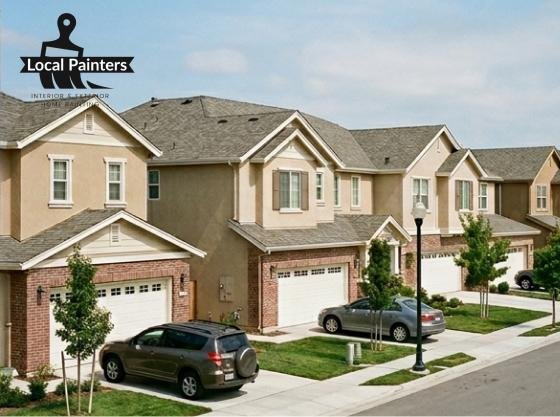
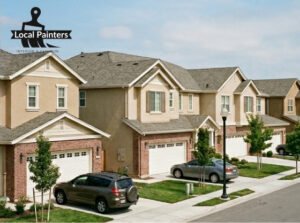
The average exterior house painting cost generally falls between $1,800 and $13,000, with most homeowners paying roughly $3,000 to $4,500 for a standard 2,000 square foot home. These figures fluctuate based on the total surface area, the type of siding being painted, the current condition of the house, and regional labor rates. A simple single-story home with vinyl siding is significantly cheaper to paint than a three-story Victorian house with intricate wood trim and peeling paint.
Understanding the specific variables that influence a quote allows for better budgeting and more accurate comparisons between professional estimates. Local Painters provides this breakdown to clarify why prices vary so much from one property to another. By identifying the primary cost drivers like prep work, material volume, and accessibility, residents can make informed decisions about their property maintenance.
Total Square Footage and Home Height
The most obvious factor in the cost to paint a house exterior is the size of the structure. Painters calculate the total paintable surface area, which is different from the interior square footage of the home. Large homes require more gallons of paint and more hours of labor. A house with multiple stories increases the price because workers must use tall ladders, scaffolding, or lifts to reach the upper sections safely. For a detailed breakdown, check cost to paint a house exterior.
According to data from HomeGuide, the cost per square foot typically ranges from $1.00 to $4.00. This rate includes both labor and materials. A two-story or three-story home often commands a higher rate per square foot due to the added risk and the time spent moving equipment. Vertical height also affects the speed of the work, as moving a ladder every few feet is more time-consuming than walking along the ground with a sprayer.
Siding Material and Texture
The type of material on the outside of the home, whether it be wood, masonry, or composite concrete, dictates the application method and the amount of paint needed. Some surfaces are porous and absorb more liquid, requiring more product to achieve full coverage. Others require specific primers to ensure the topcoat adheres properly without peeling.
Wood Siding
Wood is one of the most labor-intensive materials to paint. It often requires significant scraping, sanding, and priming to prevent rot and ensure a smooth finish. Wood also expands and contracts with temperature changes, meaning the paint must be flexible and high-quality to prevent cracking.
Stucco and Brick
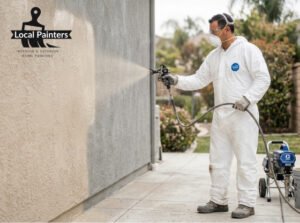
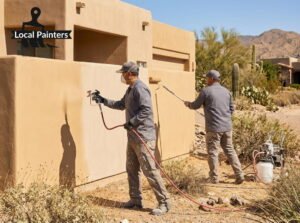
Stucco is highly porous and has a rough texture. It requires more paint because the liquid must fill all the small pits and crevices in the surface. Many professionals use a process called back rolling, where one person sprays the paint and another follows with a roller to push the paint into the texture. Painting brick is similar and often requires specialized masonry primers to handle the alkaline nature of the material.
Vinyl and Aluminum
Vinyl siding is generally easier to paint but requires specific types of paint that won’t cause the panels to warp when they get hot in the sun. Aluminum siding often needs a very thorough cleaning to remove oxidation before any paint is applied. If the chalky residue on aluminum isn’t removed, the new paint will peel off within a year.
Costs Based on Material Type
The following table outlines the estimated price ranges for different siding materials based on industry averages for a standard 2,000 square foot home.
| Siding Material | Average Cost Range | Difficulty Level |
|---|---|---|
| Vinyl | $1,200 – $4,000 | Low |
| Aluminum | $1,500 – $5,000 | Low |
| Wood | $2,000 – $6,000 | High |
| Stucco | $2,500 – $7,000 | Medium |
| Brick | $3,500 – $8,000 | Medium |
| Concrete | $2,000 – $5,500 | Low |
Labor and Regional Markets
Building on the regional variables mentioned earlier, labor costs usually make up about 70 to 80 percent of the total project price. When searching for exterior painters near me, the quotes will reflect the cost of living and the demand for tradespeople in that specific area. Metropolitan areas with higher overhead for businesses generally see higher labor rates than rural regions.
As reported by Angi, professional labor rates for painters often fall between $25 and $100 per hour per worker. A team of three painters can finish a standard home faster than a solo contractor, but the hourly cost will be higher. The expertise of the crew also matters. Experienced professionals work more efficiently and produce a more durable finish, which saves money over time by extending the life of the paint job.
Prep Work and Surface Condition
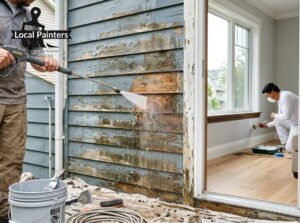
The quality of the final result depends almost entirely on the preparation. If a house has old, flaking paint, the crew must spend days scraping and sanding. If the wood is rotting, it must be replaced before painting begins.
Standard prep work includes:
- Pressure washing to remove dirt, mold, and mildew.
- Scraping away loose or peeling paint.
- Sanding rough edges to create a smooth surface.
- Caulk gaps around windows, doors, and trim to prevent moisture intrusion.
- Priming bare wood or repaired areas.
Bonus Tip: Never skip the pressure wash. Painting over a thin layer of dust or chalky oxidation prevents the paint from bonding to the surface. This leads to premature peeling and doubles the cost in the long-term because the house will need to be repainted much sooner.
Paint Quality and Color Choice
The price of the paint itself varies depending on the brand and the specific product line. High-quality paints have more solids and better pigments, which provide better coverage and resist fading from UV rays. While a cheap gallon of paint might cost $30, a premium exterior paint can cost $70 to $100 per gallon.
Color choice also impacts the exterior house painting cost. Switching from a very dark color to a light color, or vice versa, often requires an extra coat of paint or a tinted primer to hide the old color. Dark colors also tend to absorb more heat and may fade faster in sunny climates, potentially requiring more frequent maintenance.
Bonus Tip: In hot climates, choosing “cool roof” technology, paints, or lighter colors can actually reduce energy bills by reflecting more sunlight away from the home.
Things to Consider Before Making a Decision
Before hiring any painting services near me, homeowners should evaluate several factors that influence the long-term value of the project. A low bid might seem attractive, but it often indicates that the contractor is skipping essential steps or using inferior materials.
- Lead Paint Testing: If the home was built before 1978, it might contain lead paint. Removing or painting over lead requires specific safety protocols that increase the price.
- Insurance and Licensing: Ensure the painting company near me carries general liability and workers’ compensation insurance. This protects the homeowner if an accident occurs on the property.
- Warranty Terms: A reputable contractor should offer a warranty on both labor and materials. Most warranties cover peeling or blistering for a set number of years.
- Weather Patterns: Painting during periods of high humidity or extreme heat can ruin the finish. Schedule the project during a window of dry, mild weather for the best results.
Common Questions Regarding Painting Estimates
People often wonder why one neighbor’s quote was thousands less than theirs. It usually comes down to the details. For example, painting the trim a different color than the body of the house adds time because of the “cutting in” process. Every time a painter has to switch brushes or use tape to keep lines straight, the labor hours go up.
Another common point of confusion is the number of coats. Most professionals recommend two coats for maximum durability. A single coat might look fine initially, but it will not stand up to the elements as well. According to a cost guide by Forbes Home, skipping the second coat can reduce the lifespan of the paint job by several years, making it a poor long-term financial decision.
Frequently Asked Questions
Does the time of year affect the price?
In many regions, painting is a seasonal business. Some companies offer discounts during the “off-season” or late autumn to keep their crews busy. However, the weather must still be appropriate for the paint to cure properly.
How often should a house be painted?
Most homes need a fresh coat of paint every 5 to 10 years. Wood siding requires more frequent attention than brick or fiber cement. Houses in areas with intense sun or high moisture may need painting more often.
Is it cheaper to paint the house myself?
Doing it yourself saves on labor costs but requires a significant investment in tools, including ladders, sprayers, and safety gear. Without professional experience, the prep work is often insufficient, leading to a finish that doesn’t last.
Do I need to buy the paint myself?
Most professional painters prefer to provide the paint. They often receive contractor discounts at paint stores and can pass some of those savings to the homeowner. They also know which specific products work best for different siding types.
How long does a professional paint job take?
A standard residential project usually takes 3 to 5 days for a medium-sized home. This includes a day for cleaning and prep, a day for priming and repairs, and 1 to 2 days for the actual painting.
Summary of Pricing Factors
The final price of an exterior project depends on the size of the home, the siding material, the amount of prep work, and the quality of the paint. While the average cost sits around $4,000, specialized surfaces like brick or high-maintenance wood can push that number higher. Homeowners should look beyond the initial price and consider the durability of the finish. Investing in thorough preparation and high-quality materials ensures the home remains protected from the elements for many years. Always verify that any contractor has the proper insurance and a solid reputation in the local community before signing a contract.
Get a Professional Assessment
Local Painters helps homeowners achieve a fresh look with professional results. For questions about your specific project or to get a clear estimate, contact the team at 602-775-3019 or email localpaintersaz@gmail.com. Residents looking for a painting company near me can rely on clear communication and detailed project planning. Choosing Local Painters ensures a focus on quality prep work and durable finishes for every home.
Sources
- HomeGuide – Comprehensive data on national averages for exterior painting and siding specific costs.
- Angi – Breakdown of professional labor rates and regional pricing variables for home improvement.
- Forbes Home – Expert advice on material costs and the importance of paint layers for longevity.
- Fixr – Detailed analysis of cost factors, including equipment, prep work, and material types.