Skip to content

Summarize with
In the intense heat and high UV exposure of the Southwest, exterior paint typically lasts between 5 and 10 years. High-quality acrylic latex paint applied to well-maintained stucco surfaces often reaches the 7 to 10 year mark. However, wood siding or surfaces facing direct southern sunlight may show significant wear and require attention as early as 5 years. This timeline is shorter than in many other regions because the desert sun breaks down chemical bonds in paint much faster than cooler, cloudier climates.
Understanding how long exterior paint lasts requires looking at the specific environmental pressures unique to this region. Factors like monsoons, blowing and extreme temperature swings between day and night cause building materials to expand and contract. This movement puts constant stress on the paint film. Professional home painting contractors in Arizona recommend regular inspections to catch small issues before they lead to expensive substrate damage.
Factors Influencing the Exterior Paint Lifespan in Arizona
The desert environment presents a specific set of challenges that dictate the exterior paint lifespan Arizona homeowners experience. Heat is the most obvious factor, but it is not the only one.
UV Radiation and Photo Degradation
The sun in the desert is relentless. According to data from the National Weather Service, Arizona receives some of the highest levels of solar radiation in the United States. These UV rays act like a slow sandpaper, grinding away the binders that hold paint pigments together. Once these binders fail, the paint begins to “chalk.” If you run your hand across a wall and a powdery residue comes off, the paint is no longer protecting the surface.
Thermal Expansion and Contraction
Arizona experiences wide temperature fluctuations. A wall might be 120 degrees Fahrenheit in the afternoon and drop to 60 degrees at night. This causes the house to physically expand and shrink. If the paint is old and has lost its elasticity, it will crack rather than stretch. High-quality exterior painting services focus on using flexible, high-build coatings that can handle this movement without snapping.
Surface Material and Porosity
The material of the home significantly impacts paint durability. Stucco is the most common exterior in the region and holds paint well because it is rigid and porous. Wood, on the other hand, expands and contracts much more than masonry.
Local Lifespan Expectations by Material
| Surface Material | Average Lifespan (Years) | Common Issues in AZ |
| Stucco | 7 to 10 | Chalking, hairline cracks |
| Wood Siding | 5 to 7 | Peeling, warping, drying out |
| Fiber Cement (Hardie) | 8 to 12 | Color fading |
| Metal Gutters/Trim | 5 to 8 | Flaking, heat blisters |
| Masonry/Brick | 10 to 15 | Efflorescence, salt buildup |
Identifying Signs You Need Repainting
Waiting until the paint is falling off in sheets is a mistake. By that point, the underlying wood or stucco is already absorbing moisture and sun damage. Knowing when to repaint a house exterior involves looking for subtle changes in the surface.
Fading and Color Change
Darker colors like deep browns, reds, or blues absorb more heat and fade much faster than light beiges or greys. A report by Sherwin-Williams indicates that inorganic pigments used in earth tones generally resist UV fading better than organic pigments found in bright primary colors. If the sunny side of the house looks three shades lighter than the shaded side, the protective qualities of the paint are likely compromised.
Chalking and Powdering
As the resin in the paint breaks down, the pigment turns into a fine powder. This is a clear sign that the paint can no longer shed water or resist dirt. You can test this yourself by wiping a dark cloth against the wall. If a white or colored powder remains on the cloth, the paint is reaching the end of its life.
Cracking and Peeling
Small “alligator” cracks or peeling edges allow water to get behind the paint. During a monsoon, this moisture can seep into the stucco or wood, leading to rot or interior water damage. Once peeling starts, the only solution is a full scrape, prime, and repaint.
Bonus Tip: Check the “caulking” around windows and doors. In Arizona, caulk often dries out and shrinks faster than the paint itself. If the gaps are opening up, it is a sign that the entire exterior needs maintenance.
Strategic Maintenance for Paint Durability in a Hot Climate
You do not have to just sit back and watch the sun destroy your investment. Proper exterior paint maintenance tips can add two or more years to the life of a paint job.
Regular Low-Pressure Washing
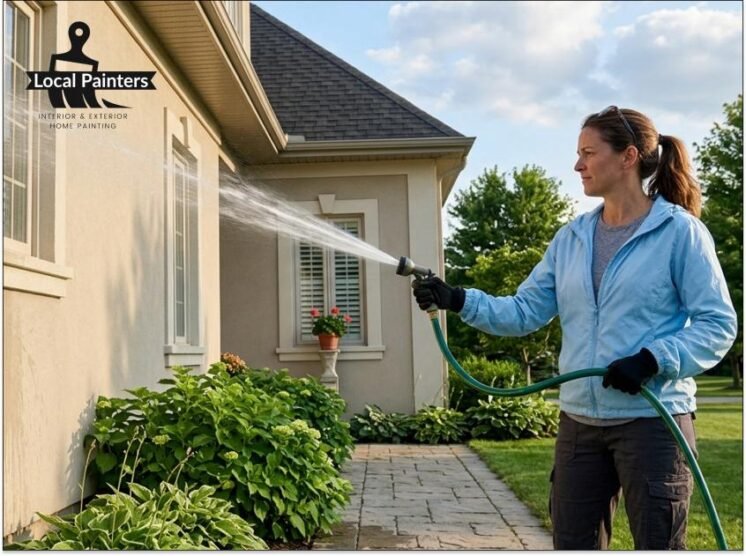
Dust and salt buildup on the walls can chemically react with the paint and accelerate its breakdown. Once or twice a year, use a garden hose to gently rinse the dust off the exterior. Do not use a high-pressure power washer, as this can force water into the stucco and damage the paint film.
Immediate Touch Ups
If you notice a small area of damage from a landscaping tool or a storm, fix it immediately. Exposed wood or stucco degrades rapidly in the sun. Keeping a small “touch-up” can of the original paint in a climate-controlled area like a closet ensures you have a color match ready for small repairs.
Things to Consider Before Choosing a Painting Service
Before hiring house repainting services in Arizona, evaluate the specific needs of the property. Not every house requires the same approach.
- Paint Quality Levels: Cheap paint is a poor investment in the desert. Always opt for 100% acrylic latex formulas. Higher-end paints have more solids and better UV inhibitors that can withstand the sun much longer than “contractor grade” options.
- Color Selection: Light colors reflect heat, while dark colors absorb it. A light-colored home will stay cooler, and the paint will generally last 20% to 30% longer than a dark-colored one.
- Preparation Work: The best paint in the world will fail if applied over dust or old, chalky paint. Professional home painting contractors in Arizona spend more time cleaning, scraping, and priming than they do actually painting.
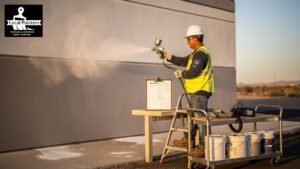
- Application Method: Sprayed paint provides a smooth finish, but “back-rolling” the paint into the stucco ensures it gets into all the nooks and crannies, providing a much better bond.
Common Questions About Arizona Exterior Painting
Many people wonder about the best time of year or specific products for this climate.
What is the best season to paint in Arizona?
Spring and fall are ideal. Temperatures between 70 and 90 degrees allow the paint to dry and “cure” at a steady rate. If it is too hot, the paint dries before it can properly bond to the surface. If it is too cold at night, the chemical curing process stops.
Does the direction my house faces matter?
Yes. South and west-facing walls take the brunt of the afternoon sun. Local Painters often see these sides of a home fail 2 or 3 years before the north-facing side. When inspecting the home, pay the closest attention to these high-exposure areas.
How many coats are necessary?
In the desert, two coats are standard. One coat is rarely enough to provide the thickness needed to resist UV rays and environmental stress. A single coat often results in premature fading and chalking within just 3 or 4 years.
FAQ
How often should you paint a house exterior in the desert?
Most homes require a fresh coat every 6 to 8 years. If the home has wood features or is painted a dark color, that window might shrink to 5 years. Stucco homes with light colors can often go 10 years if the original application was high quality.
Why is my paint peeling so soon?
Early peeling is usually caused by poor surface preparation or moisture trapped behind the paint. If the walls were not cleaned or if a primer was not used over chalky surfaces, the new paint cannot “grip” the wall.
Can I paint during the summer?
It is possible, but difficult. Professional exterior painting services in AZ usually start very early in the morning and stop by noon. Painting a surface that is 130 degrees will cause the paint to blister and fail almost immediately.
Is elastomeric paint better for Arizona?
Elastomeric paint is very thick and flexible, which is great for stucco with many hairline cracks. However, it can also trap moisture if the house has any internal leaks. For most Arizona homes, a high-quality 100% acrylic paint is a better balance of breathability and durability.
Final Considerations
Determining how often to paint a house exterior depends on the materials of the home and the amount of direct sunlight it receives. While 7 years is a good average, the specific signs of wear, like chalking and fading, should be the primary guide. Local Painters suggests that proactive maintenance, such as rinsing the walls and checking caulk, can prevent more expensive repairs down the road. Take the time to evaluate the southern and western walls of the property today to see if the sun has started to take its toll.
Contact Local Painters
For those looking for expert guidance on protecting their property from the desert elements, Local Painters offers professional assessments and high-quality finishes. Contact Local Painters at 602-775-3019 or via email at localpaintersaz@gmail.com to discuss specific project needs. Choosing the right materials and application methods today will ensure a home remains protected and looks its best for years to come.
Sources
- National Weather Service – Source for solar radiation and UV intensity data in the Arizona region.
- Sherwin-Williams – Manufacturer data regarding pigment durability and the chemical breakdown of binders in high-heat environments.
- Consumer Reports – Independent testing of exterior paint brands and their performance over multi-year periods.
- The Spruce – General home maintenance and construction resource for paint lifespan and surface preparation standards.