Skip to content

Summarize with
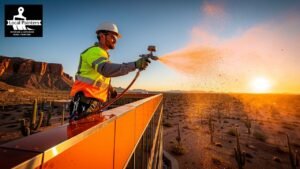
Exterior paint fails in Arizona primarily due to intense ultraviolet (UV) radiation, extreme temperature fluctuations, and low humidity levels. The sun acts as a constant abrasive force that breaks down the chemical binders holding paint together, leading to a condition known as chalking. When these binders erode, the pigment loses its protection and begins to fade or wash away. Additionally, the desert experiences significant thermal expansion where building materials expand in the heat and contract at night, causing the paint film to stretch and eventually crack.
This guide provides a detailed look at the environmental factors that dictate the lifespan of a home’s exterior finish. Understanding these elements helps homeowners identify early signs of wear and choose the right materials for long-term protection. Local Painters provides this information based on years of observing how different coatings react to the specific climate of the Sonoran Desert.
UV Radiation and Binder Erosion
The primary culprit behind paint failure in the Southwest is the sun. Data from the Arizona State Climate Office indicates that many parts of the state receive over 300 days of sunshine annually. This constant exposure delivers a high dose of UV rays that penetrate the paint surface.
Paint consists of three main parts: pigment for color, solvent for liquid consistency, and a binder to hold everything together once dry. UV rays target the binder. As the sun destroys these polymers, the paint loses its integrity. This process often manifests as paint fading in the Arizona sun, especially on south and west-facing walls. Once the binder is gone, the pigment sits loosely on the surface like a fine powder. This powdering effect, called chalking, is a clear sign that the protective layer is no longer functional.
Bonus Tip: Rub a dark cloth against the side of the house. If a white, chalky powder transfers to the cloth, the binder has failed and the home needs a new protective coating.
Thermal Expansion and Material Stress
Arizona temperatures can swing by 40 degrees or more within a single day. According to the National Weather Service, afternoon highs often exceed 110 degrees while nighttime temperatures drop significantly. This cycle creates a “yo-yo” effect on building materials.
Stucco, wood, and metal all expand when they get hot and shrink as they cool. The paint layer is expected to move with these materials. Over time, the paint loses its elasticity because of the heat. When the paint becomes brittle, it can no longer stretch. This leads to exterior paint cracking, resulting in conditions such as “alligatoring,” where the surface resembles the scales of a reptile. Once cracks appear, the underlying structure is exposed to the elements.
Moisture and Monsoon Damage
While Arizona is known for being dry, the annual monsoon season introduces sudden humidity and heavy rain. When moisture hits a surface that has been baking in 115-degree heat, it can cause rapid cooling and physical shock to the coating.
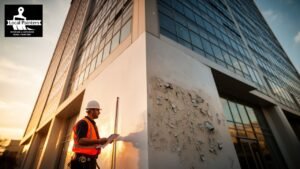
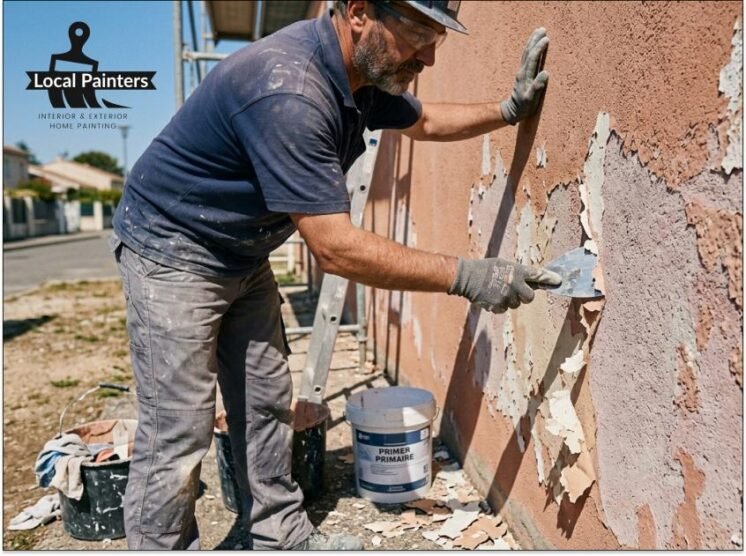
If there are existing hairline cracks, water seeps behind the paint film. When the sun returns and heats the wall, that trapped moisture turns into steam. The pressure from the steam pushes the paint away from the surface, resulting in paint peeling in hot weather. This is particularly common around windows, doors, and the base of the home, where water tends to pool.
Common Signs of Paint Failure
| Failure Type | Primary Cause | Visual Indicators |
| Chalking | UV binder breakdown | Fine white powder on the surface |
| Alligatoring | Loss of elasticity | Deep, interconnected cracks |
| Fading | Pigment oxidation | Dull, uneven color |
| Peeling | Moisture or poor adhesion | Large flakes or bubbling |
| Efflorescence | Salt migration through stucco | White, crusty salt deposits |
Stucco Porosity and Efflorescence
Most homes in the region use stucco as a primary exterior material. Stucco is naturally porous, meaning it breathes and absorbs moisture. If the stucco was not properly cured or if groundwater wicks up into the wall, salts from the concrete can move to the surface.
This process, known as efflorescence, creates white, crusty deposits under the paint. As the salts crystallize, they expand and pop the paint off the wall. Dealing with this requires specific exterior paint repair techniques for Arizona, including neutralizing the salts before applying new coatings. Using a high-quality masonry primer is a standard way to prevent this specific type of failure.
Factors to Consider Before Starting a Project
Before making decisions about house repainting services, Arizona residents should evaluate several environmental and technical factors.
- Color Selection: Darker colors absorb more heat. A dark brown or deep blue wall can reach temperatures 30 to 50 degrees higher than a light tan or off-white wall. This extra heat accelerates binder breakdown.
- Sheen Levels: Flat finishes are common in the desert but tend to chalk faster than satin or eggshell finishes. A slight sheen offers better UV resistance and is easier to clean.
- Surface Preparation: Paint only sticks to the layer beneath it. If a new coat is applied over chalky or peeling paint without thorough cleaning and priming, the new layer will fail within a year.
- Product Grade: Economy paints have fewer solids and weaker binders. In the harsh Arizona climate, these products often fail in less than half the time of premium architectural coatings.
Practical Questions About Paint Longevity
Homeowners often wonder why their neighbors’ homes look better for longer. The difference usually comes down to maintenance and product choice. According to technical guides from Sherwin-Williams, high-quality acrylic latex paint is the best choice for heat resistance because it remains flexible longer than oil-based alternatives.
Bonus Tip: Look for paints specifically labeled as “High Reflective White” or those with high Light Reflectance Values (LRV). These reflect more energy and keep the wall surface cooler.
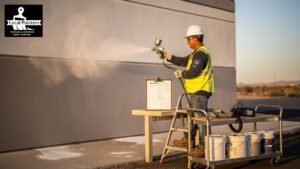
Many people ask if they can simply paint over peeling areas. This is a mistake. Local Painters suggests that any loose material must be removed, and the edges of the remaining paint must be sanded smooth. Without this step, the new paint will pull the old, weak paint off the wall as it dries and shrinks.
Common Maintenance Questions
How long should exterior paint last in Arizona?
Typically, a high-quality paint job in a desert climate lasts between 5 and 8 years. Factors like the direction the house faces and the color of the paint can shorten or extend this window. Wood trim often requires attention sooner than stucco walls.
Why does the paint on my garage door fail so fast?
Garage doors are usually made of metal, which conducts heat more efficiently than stucco. They can become hot enough to burn skin during July. This extreme heat causes the paint to lose its bond much faster than it would on other surfaces.
Is it possible to prevent paint from fading?
While no paint is immune to the sun, products with inorganic pigments hold their color longer than those with organic pigments. Earth tones like ochre, sienna, and umber are more stable under UV light than bright reds, yellows, or deep blues.
Does pressure washing help or hurt?
Pressure washing is helpful for removing dirt and chalk before painting. However, if the pressure is too high, it can force water deep into the stucco or damage wood fibers. It should be done carefully and allowed to dry for at least 24 to 48 hours before applying any new product.
Summary of Maintenance Strategies
Maintaining a home in a high-heat environment requires a proactive approach. Inspecting the exterior annually for small cracks allows for minor repairs from Arizona exterior painting contractors before the damage spreads. Identifying chalking early can prevent the need for a full strip-down of the surface.
Focusing on high-quality 100% acrylic resins provides the best defense against UV degradation. While the initial cost of premium materials is higher, the extended lifespan usually results in a lower total cost over the time the home is owned.
Homeowners should monitor the condition of their caulking around windows and doors as well. When caulk dries out and cracks, it allows moisture to enter the wall system, which is a leading cause of localized paint failure. Taking these small steps preserves the structural integrity of the home and keeps the aesthetic appeal intact.
Contact Local Painters for Advice
If the exterior of a home shows signs of heavy chalking, cracking, or fading, professional evaluation is often the best next step. Local Painters provides detailed assessments to determine the root cause of coating failure. For questions regarding specific surface issues or to discuss the best products for desert heat, contact the office at 602-775-3019 or via email at localpaintersaz@gmail.com. Addressing paint issues early prevents more expensive repairs to the underlying stucco or wood.
Sources
- Arizona State Climate Office – Provides data on sunshine duration and temperature extremes in Arizona.
- National Weather Service – Source for historical weather patterns and daily temperature fluctuations in the Southwest.
- Paint Quality Institute – A technical resource for understanding the chemical causes of paint failure and binder erosion.
- Sherwin-Williams – Manufacturer data on paint composition, UV resistance, and thermal flexibility.